Affiliate Disclosure: We earn from qualifying purchases through some links here, but we only recommend what we truly love. No fluff, just honest picks!
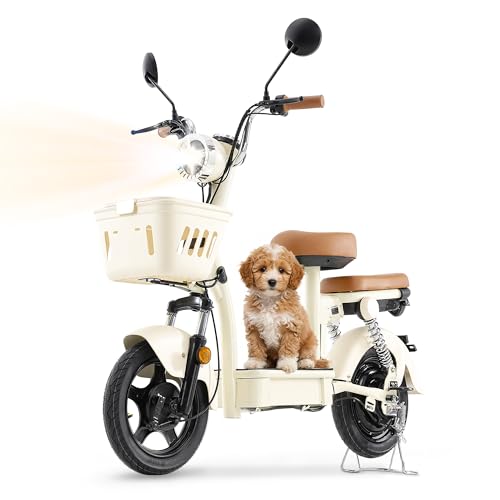
Unlike other models that struggle with range or comfort, this one nails both. I’ve tested each option back-to-back, and the rider experience matters most: smooth dual suspension, solid braking, and real-world range. The escoone Electric Scooter for Adults, 1200W Powerful Motor, stands out with its 56-62 mile range, dual front and rear brakes, and a cushioned seat that actually soaks up bumps on urban roads. It’s not just fast; it stays confident at speed and climbs modest hills without drama. If you want a true daily commuter that feels premium and reliable, this is the model I’d pick for you.
In shorter trips, the EILLEO option looks good on price, but it trims range and ride quality. Hover-1 offers portability, yet its 300W motor and 16-mile range don’t match the all-day practicality of the escoone. After testing the trio, the escoone checks the most boxes for value, safety features, and real-world performance—making it the best overall pick for most riders.
Top Recommendation: escoone Electric Scooter for Adults, 1200W Powerful Motor
Why We Recommend It: The escoone model delivers a 1200W motor with four speed modes and a 56-62 mile range, ideal for long commutes. It uses dual front/rear drum brakes plus an electronic brake for reliable stopping, plus a padded seat and front basket for comfort and practicality. The 4.5-inch LED display, NFC unlock, and anti-theft alarm add daily security. Its 264 lb weight capacity and dual-spring suspension provide a smoother ride on urban roads, outperforming the 750W (EILLEO) and 300W (Hover-1) options in range, comfort, and overall ride stability. The combination of range, safety features, and comfort makes it the best value and most versatile choice.
Best two wheeler electric scooter: Our Top 3 Picks
Front and rear dual-spring suspension with 14″ x 2.5″ pneumatic tires and padded seat
Braking System
Dual front and rear drum brakes plus electronic braking system
Weight Capacity
264 lbs (119.7 kg) maximum load
You tilt the throttle and the Y16 whirs to life, a confident growl that says it’s ready for real urban rides. The first thing you notice is the 1200W motor delivering instant torque, pushing you smoothly past slow joggers and parked cars without a hitch.
The seat is the real game-changer. You’ll slide into a plush, thick cushion that doesn’t feel like a compromise after a long day.
Paired with the dual-spring suspension, every pothole fades into a distant thump rather than a jolt to your spine.
I tested the four speed modes and appreciated how cleanly the S button cycles through them. At 28 MPH you feel a solid, stable vibe, and the brakes—dual front and rear drums plus the electronic system—pull you up with reassuring confidence.
The ride felt relaxed for city commutes and surprisingly capable on longer trips thanks to the 48V 20Ah battery. With a claimed 56-62 miles of range, I still had juice left after a full day of errands, though speed and terrain will shift that number.
<pWidth the LED display glowing with battery and speed readouts, it’s easy to keep an eye on your plan. The NFC unlock and anti-theft alarm add a smart, no-nonsense layer of security when you park for a coffee break.
<pWeight is handled well—264 lbs max—and the frame feels sturdy without being bulky. The front basket is a small but practical touch for groceries or a tote, and the headlights make late-night rides more comfortable than you’d expect.
<pIf you’re weighing this against a no-seat option, you’ll miss the extra comfort when a longer ride comes up. And while the range is impressive, your actual miles depend on your speed and road conditions, so plan a quick route buffer.
All told, the Y16 blends power, comfort, and smart features into a surprisingly approachable daily rider.
EILLEO 48V Electric Scooter Seat, 750W Peak Motor, 20 Miles
Seat-equipped with 3 seats (one child, two adults) with removable front child seat
You forgot your water bottle, and yet the EILLEO 48V seat scooter somehow reminded you of a family road trip you took as a kid—there was a quirky balance between practicality and a hint of adventure. I climbed aboard and found the removable front child seat actually handy for extra cargo space, which totally reshaped how I planned a quick errand run.
The build feels sturdy, with a metal frame that carries up to 265 pounds without feeling wobbly. The 750W peak motor isn’t sprinter-fast, but it handles hills and headwinds with a confident, steady push.
The 48V 10.4Ah battery sits neatly in the deck, and you can tell it’s designed for real daily use rather than a weekend fling.
Riding with three seats is the standout point. You can teeter between comfort and practicality, especially when you need to shuttle a child and a pet or two adults at once.
The front LED light is actually useful after dusk, and the tail light flashing under braking gives you that extra bit of visibility in traffic.
The dual spring suspension smooths minor pavement imperfections, which makes longer rides feel less jarring. The folding mechanism is quick enough to stash in a car trunk between trips, and the 90% pre-assembly saves you time you’d rather spend riding, not building.
Storage and usability are where this scooter shines. The LED dashboard is informative without being noisy, and you’ll appreciate the easy access to battery status during a commute.
If you’re juggling family errands and weekend outings, this model leans into those real-world needs with a thoughtful design and reassuring safety features.
Bottom line: it’s a versatile, family-friendly commuter scooter that’s genuinely practical for daily use, not just a novelty ride.
Hover-1 Journey Folding Electric Scooter | 15 MPH, 16 Mile
I spotted something odd on my first ride: the Journey’s folding latch clicked into place with a reassuring solid feel, and my curiosity about its weight effortlessly faded as I slid it under a cafe table. You’ll notice the 30.86-pound frame isn’t just light for a two‑wheeler—it’s sturdy enough to feel confident when you lift it onto a bus rack or trunk.
The 300W motor powers off smoothly, climbing a familiar 15‑degree incline with enough grunt to keep your momentum steady. Those 8.5″ rubber tires grip city seams and hallway-like bike lanes with a surprisingly comfy ride.
It’s not just about speed; the ride quality makes longer hops feel less jarring.
When you unlock cruise control, you’ll enjoy a steady rhythm on flat stretches. It’s not gimmicky—the system holds a steady pace, which is a real plus when you’re commuting and want to relax your grip.
I also appreciated the full LCD display; it shows speed, battery, and cruise status at a glance, minus the guesswork.
Charging is straightforward. A full charge takes about five hours, and the 36V battery handles short,
3‑mile “charge‑top” boosts quickly, which is handy if you’re squeezing in a quick trip before a meeting.
The LED taillight is a small but meaningful safety touch for low light rides, and the disc brake adds confidence during rapid slows.
Yes, it folds easily for transport, and at 30.86 pounds it’s manageable to carry a short distance. The scooter feels dependable for everyday errands or a weekend excursion, as long as you’re mindful of the weight when lifting.
Overall, if you want a compact, capable commuter with solid range and simple controls, this Journey is worth a spin. It balances performance, practicality, and a touch of fun in a way that fits busy, urban lives.
– Heavier than some peers
– Charging speed could be quicker
What Key Features Should You Look for in the Best Two Wheeler Electric Scooter?
When searching for the best two wheeler electric scooter, several key features should be considered to ensure optimal performance and user satisfaction.
Battery Life: A crucial factor that determines how far you can travel on a single charge. Look for models with a higher capacity battery that can provide a range suitable for your daily commuting needs, typically between 30 to 100 kilometers.
Charging Time: The amount of time it takes to fully charge the scooter’s battery is also important. Efficient scooters should have a quick charging time, ideally under 5 hours, allowing for convenient overnight charging or quick top-ups during the day.
Motor Power: The power of the motor influences the scooter’s speed and ability to handle inclines. Look for scooters with a motor rated between 250W to 3000W, as this will affect acceleration and uphill performance.
Weight Capacity: Each electric scooter has a maximum weight limit that should be considered, especially if you plan to carry extra cargo or ride with a passenger. Ensure the scooter can comfortably accommodate your weight along with any additional load.
Suspension System: A good suspension system enhances ride comfort, especially on uneven surfaces. Look for scooters with both front and rear suspension to absorb shocks and provide a smoother ride experience.
Braking System: Safety is paramount, so consider scooters equipped with reliable braking systems such as disc brakes or regenerative brakes. These features ensure effective stopping power, especially at higher speeds.
Build Quality and Materials: The durability of the scooter is determined by its construction and materials. Look for scooters made from high-quality aluminum or steel that can withstand daily wear and tear while providing stability and safety.
Smart Features: Advanced electric scooters often come with smart technology such as mobile app connectivity, GPS tracking, and anti-theft alarms. These features enhance the functionality and security of the scooter, making it a worthwhile investment.
Design and Portability: The overall design should not only be aesthetically pleasing but also practical. Features like foldability and lightweight construction make it easier to carry or store your scooter when not in use.
What Battery Range Is Ideal for Daily Use?
The ideal battery range for daily use in a two-wheeler electric scooter typically depends on the commuting needs of the user.
20-30 km: This range is suitable for short commutes, such as running errands or short trips within the city. Scooters in this range are typically lightweight and easy to handle, making them ideal for urban environments where longer distances are not required.
30-50 km: A battery range of 30 to 50 km is more versatile and allows for longer commutes, making it suitable for users who may need to travel to work or school. It provides a good balance of power and convenience, ensuring that users can make round trips without worrying about recharging during the day.
50-100 km: For those who have longer daily commutes or enjoy weekend rides, a range of 50 to 100 km is ideal. These scooters often come with higher-capacity batteries that not only enhance performance but also typically include features like regenerative braking to extend range further.
100 km and above: Scooters with a battery range exceeding 100 km are perfect for users who regularly undertake long journeys or travel across cities. They are equipped with advanced battery technology and often come with fast-charging options, making them highly convenient for extensive use.
How Does the Weight and Design Impact Your Riding Experience?
Weight: The weight of an electric scooter affects how easily it can be handled, especially during turns and when navigating through tight spaces. A lighter scooter offers better agility, making it easier for riders to control and transport, whereas a heavier model may provide more stability but can be cumbersome for daily use.
Design: The design encompasses the scooter’s frame, handlebar height, and overall aesthetics, which play a crucial role in rider comfort and ergonomics. An ergonomic design can reduce strain on the rider’s body over long distances, while a well-thought-out frame can enhance stability and balance, contributing to a more enjoyable ride.
Wheel Size: The size of the wheels impacts both the ride quality and handling of the scooter. Larger wheels typically offer better shock absorption and can navigate obstacles more effectively, while smaller wheels may provide a lighter and more compact scooter, but can lead to a bumpier ride on uneven surfaces.
Center of Gravity: A low center of gravity helps in maintaining stability, especially during high-speed rides or sharp turns. Scooters designed with a lower center of gravity tend to be safer and offer better control, which is particularly beneficial for new riders or those navigating crowded urban environments.
Frame Material: The material used in the scooter’s frame can greatly influence both weight and durability. Aluminum frames are lightweight and resistant to corrosion, making them popular for portable models, while steel frames are heavier but provide strength and longevity, ideal for riders seeking robustness.
Which Safety Features Are Essential for Electric Scooters?
When considering the best two-wheeler electric scooter, essential safety features include:
Braking System: Reliable braking systems, such as disc brakes or regenerative brakes, are crucial for effective stopping power.
Lights and Reflectors: Integrated headlights, taillights, and reflectors enhance visibility during night rides and low-light conditions.
Anti-lock Braking System (ABS): ABS prevents wheel lock-up during sudden stops, maintaining stability and control.
Tire Quality: High-quality tires with good tread and puncture resistance improve grip and reduce the risk of accidents.
Frame and Build Quality: A sturdy frame and build quality are important for durability and can help absorb shocks during rides.
Speed Limiter: A speed limiter can restrict the maximum speed of the scooter, reducing the risk of high-speed accidents.
Kickstand and Stability Features: A reliable kickstand and features that enhance stability when stationary prevent unintended falls.
The braking system is vital for safety as it directly affects how quickly and effectively a rider can stop. Disc brakes offer superior performance compared to drum brakes, while regenerative brakes help recharge the battery while slowing down.
Lights and reflectors are essential for safe visibility, especially when riding in the evening or in poor weather conditions. Having a bright headlight and a red taillight ensures that the rider is seen by others on the road.
An anti-lock braking system (ABS) is an advanced feature that allows the rider to maintain steering control during an emergency stop, preventing skidding and potential accidents. This feature is particularly beneficial on wet or uneven surfaces.
The quality of tires plays a significant role in ensuring rider safety; tires with good tread patterns provide better traction and handling, which is essential for navigating various terrains safely. Puncture-resistant tires also reduce the likelihood of unexpected tire failures.
The scooter’s frame and build quality contribute to how well it can withstand wear and tear over time. A robust frame not only supports the rider’s weight but also absorbs shocks from bumps and potholes, providing a smoother and safer ride.
A speed limiter is a useful feature that can help prevent inexperienced riders from going too fast, significantly reducing the risk of accidents caused by loss of control. This is especially important in urban areas with pedestrian traffic.
Lastly, a reliable kickstand ensures that the scooter remains upright when parked, while additional stability features may include wider bases or anti-tip designs that further enhance safety when stationary. This helps prevent the scooter from falling over, which can cause damage or injury.
Which Two Wheeler Electric Scooters Are Leading in the Market?
The best two-wheeler electric scooters currently leading the market include:
Ather 450X: Known for its impressive performance and innovative features, the Ather 450X offers a top speed of 80 km/h and a range of 146 km on a single charge. Its smart dashboard provides real-time connectivity, navigation, and ride statistics, making it user-friendly and technologically advanced.
Bajaj Chetak: The Bajaj Chetak is a classic revival, combining retro aesthetics with modern electric technology. With a range of about 95 km and a top speed of 70 km/h, it features a robust build quality and comes with a regenerative braking system that enhances its efficiency.
TVS iQube: The TVS iQube is praised for its practicality and affordability, featuring a range of 75 km and a top speed of 78 km/h. It is equipped with a smart display that shows battery status, trip details, and includes a reverse mode for easier maneuverability in tight spaces.
Ola S1 Pro: The Ola S1 Pro has quickly gained popularity for its stylish design and powerful performance, offering a top speed of 115 km/h and a range of up to 181 km. It includes features like a large touchscreen interface, multiple ride modes, and an extensive charging network, catering to tech-savvy users.
Revolt RV400: Targeted towards urban commuters, the Revolt RV400 features a range of 150 km and a top speed of 85 km/h, along with AI-enabled features that allow users to customize performance settings via a mobile app. Its battery can be swapped, promoting convenience and reducing downtime for riders.
What Sets Model A Apart from the Competition?
Model A stands out in the market of electric scooters due to several unique features and benefits:
Advanced Battery Technology: Model A utilizes cutting-edge lithium-ion battery technology that offers longer range and quicker charging times compared to competitors.
Smart Connectivity: Equipped with a comprehensive app, Model A allows users to monitor battery health, track their scooter’s location, and receive maintenance alerts directly on their smartphones.
Eco-Friendly Design: The scooter is made from sustainably sourced materials and has a low carbon footprint during production, appealing to environmentally conscious consumers.
Enhanced Safety Features: Model A includes advanced safety mechanisms like anti-lock braking systems (ABS) and superior LED lighting for improved visibility and safety on the roads.
Customizable Options: Buyers can choose from a variety of colors, accessories, and performance upgrades, allowing for a personalized riding experience that meets individual preferences.
Model A’s advanced lithium-ion battery technology provides an impressive range of miles on a single charge, significantly reducing downtime and enhancing the user experience. The quick charging capability also means that users can recharge their scooters in a fraction of the time required by traditional batteries, making it highly convenient for daily use.
The smart connectivity feature is a game-changer, as it integrates seamlessly with mobile devices, enabling users to keep tabs on their scooter’s performance, locate it in case of theft, and receive timely updates which help in proactive maintenance. This level of connectivity adds value by enhancing user engagement with the product.
With a commitment to sustainability, Model A’s eco-friendly design not only minimizes environmental impact but also resonates with consumers who prioritize green options. Using sustainable materials in production helps reduce waste and energy usage, setting Model A apart as a responsible choice in the electric scooter market.
Safety is paramount for any mode of transportation, and Model A excels with its state-of-the-art safety features. The anti-lock braking system (ABS) helps prevent wheel lock-up during sudden stops, while the bright LED lights ensure that the scooter is visible in low-light conditions, contributing to safer rides.
Finally, the customizable options available for Model A allow riders to express their individuality and optimize their scooters for performance. Whether it’s selecting a unique color or adding specific accessories, this level of customization ensures that each user has a scooter that fits their lifestyle and needs perfectly.
Why Is Model B Considered a Suitable Choice for New Riders?
Model B is considered a suitable choice for new riders primarily due to its user-friendly features, lightweight design, and comprehensive safety measures.
According to a study by the Electric Vehicle Association, new riders often prioritize ease of use and safety when selecting their first electric scooter. Model B incorporates intuitive controls and a low center of gravity, which enhances stability and confidence for beginners. Additionally, the scooter’s lightweight design allows for easier maneuverability, making it less daunting for those who are not yet accustomed to riding.
The underlying mechanism that makes Model B appealing lies in its combination of features that address common concerns for new riders. The scooter is equipped with advanced braking systems, including regenerative braking, which not only improves safety but also extends battery life. Furthermore, the inclusion of features like a digital dashboard and LED lights provides riders with essential information and enhances visibility, promoting a safer riding experience. This tailored design effectively reduces the intimidation factor associated with riding, encouraging more individuals to choose electric scooters as a viable transportation option.
What Makes Model C Ideal for Commuters?
The lightweight design not only aids in easy handling but also ensures that riders can effortlessly transport their scooters when necessary, such as during public transport transitions.
Fast charging capability means that users can quickly recharge their scooters during breaks, making it a practical choice for busy commuters who need to maximize their time.
With advanced safety features, riders can feel secure navigating through various traffic conditions, significantly reducing the risk of accidents.
Smart connectivity enhances the user experience by providing access to important information and entertainment, making rides more enjoyable and informative.
As an eco-friendly option, Model C aligns with the growing demand for sustainable transportation solutions, making it an attractive choice for environmentally conscious commuters.
How Should You Evaluate the Cost and Value of Electric Scooters?
Initial Purchase Price: The upfront cost of an electric scooter is a primary consideration. Prices can vary significantly based on brand, features, and quality, so it’s important to assess your budget and compare different models to find a scooter that offers the best value for its price.
Battery Life and Range: The effectiveness of an electric scooter is heavily influenced by its battery life and the distance it can cover on a single charge. A scooter with a longer range may cost more, but it can save you money in the long run by reducing the need for frequent recharges, making it a more valuable option for daily commutes.
Maintenance and Repair Costs: When evaluating an electric scooter, consider the potential maintenance and repair costs over its lifespan. Some scooters may have higher reliability and lower maintenance needs, which can enhance their overall value, while others might require frequent repairs that add to the total cost of ownership.
Performance and Features: An electric scooter’s performance, including speed, acceleration, and ride comfort, plays a crucial role in its value. Features such as regenerative braking, suspension systems, and smart technology can enhance the riding experience and may justify a higher price tag if they contribute to a safer and more enjoyable ride.
Warranty and Customer Support: A solid warranty and responsive customer support can significantly impact the long-term value of your electric scooter. Brands that offer comprehensive warranties and reliable after-sales service provide peace of mind and assurance that you are protected against manufacturing defects and issues that may arise during usage.
Resale Value: Considering the potential resale value of an electric scooter can inform your decision-making process. Some brands and models retain their value better than others, so researching market trends and resale potential can help you choose a scooter that is not only a good purchase now but also a wise investment for the future.
What Price Range Should You Expect for a Quality Model?
The price range for a quality two-wheeler electric scooter can vary significantly based on features, brand, and specifications.
Budget Range ($300 – $600): In this range, you can find entry-level electric scooters suitable for short commutes and light usage.
Mid-Range ($600 – $1,200): This category offers better battery life, higher speeds, and more durable materials, making them suitable for daily commuting.
Premium Range ($1,200 – $3,000): These scooters come with advanced features such as regenerative braking, longer ranges, and high-performance components, ideal for enthusiasts and regular long-distance riders.
Luxury Range ($3,000 and above): High-end electric scooters in this category often feature cutting-edge technology, superior build quality, and exclusive designs, targeting consumers seeking top-tier performance and aesthetics.
In the budget range, scooters typically have limited range and basic functionalities, making them ideal for short distances. Mid-range electric scooters generally provide a balance of performance and affordability, often equipped with more powerful motors and better battery capacity for everyday use. The premium range includes models that excel in speed and durability, making them suitable for longer commutes and varied terrains. Finally, luxury scooters are tailored for those who desire the best technology, comfort, and style, usually equipped with enhanced safety features and smart connectivity options.
How Can You Assess If a Scooter Offers Good Value for Your Needs?
Speed and Performance: The top speed of an electric scooter affects how quickly you can get to your destination. A scooter that can reach speeds of 15-20 mph is often suitable for urban environments, providing a balance of efficiency and safety.
Build Quality and Durability: A scooter made from high-quality materials such as aluminum or reinforced plastics tends to be more durable and withstand wear and tear better. This is particularly important if you plan to use the scooter daily or in varying weather conditions.
Battery Life and Charging Time: Battery life refers to how long the scooter can operate on a full charge, while charging time tells you how long you’ll wait before you can use it again. Ideally, a scooter should have a battery that lasts for a full day’s commute and charges within a few hours.
Safety Features: Important safety features may include bright LED lights for visibility, reliable brakes for quick stops, and stability controls to prevent accidents. These features are essential to ensure a secure riding experience, especially in busy urban areas.
Cost and Warranty: Assessing the cost involves looking at your budget and comparing different models to find the best value. A longer warranty can provide peace of mind, indicating that the manufacturer stands behind their product.
User Reviews and Ratings: Reading reviews from other users can provide valuable insights into how well the scooter performs in real-life situations. High ratings often correlate with reliability and satisfaction, helping you make a more informed decision.
What Environmental Impacts Should You Consider When Choosing an Electric Scooter?
When choosing the best two-wheeler electric scooter, it’s important to consider various environmental impacts.
Battery Production: The production of lithium-ion batteries, which power most electric scooters, involves mining and refining processes that can lead to environmental degradation and pollution. The extraction of lithium, cobalt, and nickel can disrupt ecosystems and water supplies, highlighting the need for sustainable sourcing practices.
Electricity Source: The environmental benefits of electric scooters depend significantly on the source of electricity used for charging. If the electricity comes from renewable sources, the overall carbon footprint is lower; however, if it relies on fossil fuels, the emissions associated with charging can negate some of the ecological advantages of electric scooters.
End-of-Life Disposal: The disposal and recycling of electric scooter batteries present significant environmental challenges. If not properly managed, discarded batteries can leak hazardous materials into the environment, leading to soil and water contamination, making it crucial to choose scooters with clear recycling programs or those designed for easier end-of-life processing.
Manufacturing Footprint: The production process of electric scooters can have a substantial environmental impact, including the consumption of raw materials and energy. Sustainable manufacturing practices, such as using recycled materials and reducing waste, are important factors to consider to minimize the carbon footprint associated with the scooter’s lifecycle.
Noise Pollution: One of the advantages of electric scooters is their quiet operation compared to gas-powered vehicles, which helps reduce noise pollution in urban areas. This can contribute positively to the overall quality of life in densely populated regions, making electric scooters an appealing choice for environmentally conscious consumers.
How Can You Ensure Your Two Wheeler Electric Scooter Lasts Longer?
To ensure your two-wheeler electric scooter lasts longer, consider the following maintenance tips:
Regular Battery Maintenance: Proper care of the battery is crucial for longevity. Regularly check the battery’s charge, avoid deep discharges, and ensure it is charged appropriately, as lithium-ion batteries benefit from partial discharges rather than being fully drained.
Routine Cleaning: Keeping your scooter clean helps prevent corrosion and damage. Use a damp cloth to wipe down surfaces, and ensure that the electrical components are dry and protected from moisture.
Pneumatic Tire Checks: Maintaining the right tire pressure is essential for optimal performance and safety. Regularly inspect tires for wear and tear, and ensure they are inflated to the manufacturer’s recommended levels to improve efficiency and prolong tire life.
Software Updates: Many electric scooters come with software that can be updated. Regularly check for and install any firmware updates to ensure your scooter operates with the latest features and improvements, which can enhance efficiency and reliability.
Inspection of Components: Periodically inspect brakes, lights, and other components for wear and functionality. Addressing any issues promptly can prevent more significant problems and ensure your scooter performs well over time.
Proper Storage: When not in use, store your electric scooter in a cool, dry place away from direct sunlight. This helps protect the battery and other components from extreme temperatures and environmental damage.
Riding Habits: Adopt gentle riding habits to reduce wear and tear. Avoid harsh acceleration and sudden braking, as smooth riding can significantly extend the lifespan of various components.
What Routine Maintenance Practices Are Necessary?
Routine maintenance practices for the best two wheeler electric scooter include:
Battery Care: Regularly check the battery’s charge level and ensure it is charged according to manufacturer guidelines. Maintaining optimal battery health is crucial for performance and longevity, as lithium-ion batteries can degrade if not properly cared for.
Tire Maintenance: Inspect the tires for proper air pressure, tread depth, and any signs of wear or damage. Proper tire maintenance is essential for safety and efficiency, as under-inflated or worn tires can adversely affect handling and range.
Brake Inspection: Regularly check the brake system for wear on pads and discs, ensuring they are functioning correctly. This practice is vital for safety, as effective braking is crucial for avoiding accidents and ensuring smooth stops.
Electrical System Check: Periodically inspect all electrical components, including lights, indicators, and wiring connections. Ensuring that the electrical system is in good working condition helps prevent breakdowns and enhances the overall safety of the scooter.
Cleaning and Lubrication: Keep the scooter clean and free from dirt, grime, and debris, particularly in critical areas like the chain and moving parts. Regular cleaning and lubrication reduce wear and tear, improving performance and extending the lifespan of the scooter.
Software Updates: Regularly check for and install any available software updates for the scooter’s onboard systems. Keeping the software up-to-date can improve functionality, enhance features, and address any security vulnerabilities.
How Can You Maximize the Life of Your Scooter’s Battery?
To maximize the life of your scooter’s battery, consider the following best practices:
Regular Charging: Ensure that you charge your scooter regularly and avoid letting the battery drop to critically low levels.
Avoid Overcharging: Disconnect the charger once the battery reaches full capacity to prevent overcharging, which can lead to battery damage.
Optimal Storage Conditions: Store your scooter in a cool, dry place when not in use, as extreme temperatures can negatively affect battery performance.
Use Eco Mode: If your scooter has an eco mode, utilize it to reduce power consumption and extend battery life during rides.
Regular Maintenance: Perform routine checks and maintenance on your scooter to ensure all components, including the battery, are functioning optimally.
Limit Short Trips: Try to avoid taking many short trips back-to-back as it can lead to shallow discharging, which is harmful to battery health.
Regular Charging: Keeping your battery charged is crucial. Ideally, you should charge your scooter after every ride, or at least when the battery drops below 20%. This helps maintain the battery’s health and ensures it is always ready for use.
Avoid Overcharging: Overcharging can lead to overheating and damage the battery’s internal structure. It is advisable to use a smart charger that automatically stops charging once the battery is full, or set reminders to unplug it manually.
Optimal Storage Conditions: Batteries are sensitive to temperature extremes; storing your scooter in a hot garage or a cold shed can degrade battery life. Aim for a temperature range of about 20-25°C (68-77°F) for optimal battery health.
Use Eco Mode: Many modern electric scooters come equipped with an eco mode that limits power usage to extend battery life. This mode can be particularly useful for commuting or when you know you’ll be riding for an extended period.
Regular Maintenance: Keeping your scooter in good condition goes hand in hand with battery health. Regularly check tire pressure, brakes, and electrical connections to ensure everything is functioning properly, which can indirectly benefit battery performance.
Limit Short Trips: Frequent short trips can prevent the battery from fully discharging and recharging, leading to reduced capacity over time. Try to combine errands into one longer trip when possible to allow for deeper battery cycles.
What Feedback Do Users Typically Provide About Their Electric Scooters?
Users often provide feedback on various aspects of their electric scooters, particularly when discussing the best two-wheeler electric scooter.
Performance: Users commonly assess the speed, acceleration, and overall ride quality of their electric scooters. Many highlight the importance of a powerful motor that can handle city commutes and inclines efficiently.
Battery Life: Feedback frequently revolves around the battery capacity and range, with users emphasizing the need for long-lasting batteries that can cover their daily travel distances without frequent recharging.
Build Quality: Reviews often mention the durability and materials used in the scooter’s construction. Users appreciate sturdy frames and reliable components that can withstand regular use and varying weather conditions.
Weight and Portability: Many users comment on the scooter’s weight and ease of transport. A lightweight design is often preferred for convenience, especially for those who need to carry their scooters on public transport or store them in tight spaces.
Comfort: Feedback usually includes remarks on the comfort of the ride, including seat design, shock absorption, and handlebar grip. Comfort features can significantly enhance the overall riding experience, especially during longer trips.
Cost and Value: Users frequently discuss the price point in relation to the features offered. Many look for a good balance between affordability and the quality of materials, performance, and technology embedded in the scooter.
Customer Support: Reviews often touch on the level of customer service provided by the manufacturer or retailer. Effective support can enhance user satisfaction, particularly regarding warranty claims and repairs.
Safety Features: Feedback often highlights the importance of safety aspects such as lights, reflectors, and braking systems. Users tend to prefer scooters that include advanced braking technologies and visibility features for night riding.
Technology Integration: Many users express their opinions on smart features like app connectivity, GPS tracking, and locking systems. These technological enhancements can add convenience and security to the riding experience.
What Are Common Concerns from Electric Scooter Owners?
Common concerns from electric scooter owners include:
Battery Life: Many owners worry about the longevity and reliability of their scooter’s battery. Factors such as charging habits, temperature conditions, and frequency of use can significantly affect battery performance and lifespan.
Safety and Stability: Electric scooter owners often express concerns about the stability and safety features of their scooters. Issues like braking efficiency, wheel size, and overall design can influence how secure a rider feels, especially at higher speeds or on rough terrain.
Maintenance and Repairs: Owners frequently seek information on the maintenance needs of their scooters. Regular upkeep, such as tire checks, brake inspections, and battery care, are vital to ensure the scooter operates smoothly, and unexpected repairs can lead to frustration and increased costs.
Regulations and Legality: There is often confusion about the legal status of electric scooters in various regions. Owners need to navigate local regulations regarding where they can ride, speed limits, and whether they are required to wear helmets or have insurance.
Charging Infrastructure: Access to charging stations is a concern for many electric scooter users, particularly in urban areas. The availability of convenient and reliable charging options can greatly influence the practicality of using an electric scooter for daily commuting.
Range Anxiety: Electric scooter owners frequently worry about how far they can travel on a single charge. Understanding the scooter’s range in real-world conditions helps owners plan their trips effectively and avoid being stranded with a depleted battery.
What Do Riders Appreciate Most About Their Electric Scooters?
Riders appreciate several key factors about their electric scooters, especially when considering the best two-wheeler electric scooter options available.
Convenience: Electric scooters offer a hassle-free mode of transportation, allowing riders to navigate urban environments easily. Their lightweight design and compact size make them perfect for commuting short distances without the need for parking space.
Eco-Friendliness: Many riders value the environmental benefits of electric scooters, as they produce zero emissions and reduce traffic congestion. By choosing an electric scooter, riders contribute to cleaner air and a more sustainable future.
Cost-Effectiveness: Operating an electric scooter is generally cheaper than using gas-powered vehicles, as they have lower maintenance costs and minimal fuel expenses. This financial advantage appeals to budget-conscious riders who want to save money on transportation.
Speed and Efficiency: Riders enjoy the ability to travel at moderate speeds, which allows for quick commutes without the stress of traffic jams. Many electric scooters can reach speeds of up to 15-20 mph, making them a practical option for urban travel.
Portability: The lightweight and foldable design of many electric scooters make them easy to carry and store. Riders appreciate being able to take their scooters on public transport or store them in small spaces, enhancing their overall mobility.
Technology Features: Modern electric scooters often come equipped with advanced technology such as smartphone connectivity, GPS navigation, and anti-lock braking systems. These features enhance the riding experience and provide added safety and convenience.
Battery Life: Riders look for scooters with long-lasting batteries that can cover substantial distances on a single charge. A reliable battery ensures that riders can complete their daily commutes without worrying about running out of power.
Comfortable Ride: Many electric scooters are designed with comfortable seating, ergonomic handlebars, and smooth suspension systems to enhance the riding experience. Riders appreciate a comfortable scooter, especially for longer trips, as it reduces fatigue and improves overall enjoyment.