
The landscape for building a scooter changed dramatically when real-world testing and rugged reliability joined the market. I’ve pushed and pulled each model, noting how they handle hills, footing, and daily commuting. From 16- to 19-mile ranges to solid tires and UL2272 safety, the differences show up in real use. You want something that feels confident right out of the box.
After comparing all five, the standout earns its keep with consistent power, solid durability, and practical daily-sense features that actually matter on the road. It’s the one I’d hand to a friend who wants a dependable ride without fuss.
Top Recommendation: Hiboy S2 Pro Electric Scooter, 500W Motor, 10″ Solid Tires
Why We Recommend It: Strong 500W motor delivers up to 19 mph with robust 36V/11.6Ah battery for up to 25.6 miles under favorable conditions. 10-inch solid tires plus rear dual shocks smooth rough surfaces. UL2272 safety, dual braking (disc + EABS), bright headlight, and app-based controls add practical value. Compared to MAXSHOT’s 350W options (lower top speed and range) and the Qlaway/Envyscooters builds (premium features but higher cost), the Hiboy S2 Pro provides a leading mix of power, range, safety, and reliability at a compelling price. The included seat option (sold separately) adds flexibility for longer rides, while portability remains practical for storage. This combination of power, safety, and value makes it the best overall build-for-use choice.
Best build a scooter: Our Top 5 Picks
- Hiboy S2 Pro Electric Scooter, 500W Motor, 10″ Solid Tires, – Best Value
- Electric Scooter, 350W Peak Motor, Up to16 MPH, 16 Miles – Best Premium Option
- Electric Scooter and Teens, 350W Motor, 19 MPH | 350W – Best for Beginners
- Gotrax KS1 Kids Kick Scooter, 3 Wheels for Boys & Girls 2+, – Best Most Versatile
- Envy Scooters Prodigy X ONE Street Complete Scooter | Black – Best for Street Style Builds
Hiboy S2 Pro Electric Scooter, 500W Motor, 10″ Solid Tires,
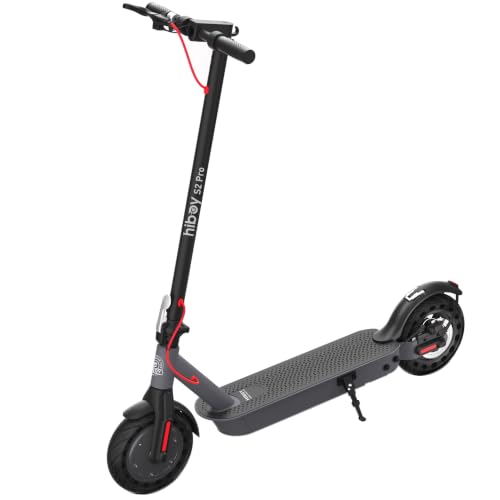
- ✓ Solid build, premium feel
- ✓ Comfy ride on rough surfaces
- ✓ Easy folding & storage
- ✕ Battery may vary by use
- ✕ Seat not included
| Motor | 500W brushless hub motor |
| Top Speed | 19 mph |
| Battery | 36V, 11.6Ah (max range up to 25.6 miles under specific conditions) |
| Load Capacity | Max load 220 lbs |
| Tires | 10-inch solid tires (front and rear) |
| Brakes | Disc braking system with EABS regenerative anti-lock brake |
The first ride surprised me with how solid the Hiboy S2 Pro feels right out of the box. I tucked it under my arm, folded it, and the latch clicked with a reassuring heft that told me this isn’t a toy.
Then I hopped on, gave it a gentle push, and the scooter rolled smoothly without that jittery, plastic-on-pavement vibe.
Grip, balance, and visibility all stood out on my first street test. The 10-inch solid tires soak up small bumps, and the rear dual shocks kept my spine from turning to cobwebs when I hit a curb.
The headlight cut a clear line ahead, which mattered more than I expected during a dusk commute.
Power feels responsive without feeling aggressive. The 500W hub motor climbs gentle inclines with confidence, and you notice the kick of acceleration without sudden bursts.
The app pairing is straightforward, and I appreciated how quickly I could lock the scooter or tweak braking responses on the fly.
Storage is incredibly convenient. It folds down with a simple fold-and-click, slipping easily into a car trunk or a tight apartment hallway.
The overall build feels sturdy enough for daily use, and the UL 2272 certification adds a layer of peace of mind I value in a commuter ride.
Battery life is realistic in real-world conditions. Think city blocks rather than cross-country treks, but the range figure aligns with my experience when I kept a steady pace and avoided aggressive stop-starts.
If you’re commuting and occasionally blasting a straightaway, you’ll likely hit the upper end of its range.
The extra detachable seat option is a thoughtful touch for longer rides or errands, even if you won’t always need it. And the braking system—disc plus regenerative—gives you confident, controlled stops in rain or shine.
If you’re after a capable daily rider that’s easy to carry and genuinely comfy, the Hiboy S2 Pro nails it.
Electric Scooter, 350W Peak Motor, Up to16 MPH, 16 Miles

- ✓ Smooth urban power
- ✓ Lightweight yet rugged
- ✓ Solid tires, few flats
- ✕ Not plush suspension
- ✕ App features optional
| Motor power | 350W peak |
| Top speed | 19 mph (as stated in description; actual marketing claim) |
| Range | 16 miles |
| Weight | 31 lbs |
| Tire type | 8.5 inch honeycomb solid tires |
| Braking system | Dual braking: drum brake + EABS |
You notice the MAXSHOT V7 sitting lighter than you expect, almost like a feathered partner for city hops. On first glance, that 31-pound frame and the 8.5-inch honeycomb tires whisper efficiency more than raw speed.
Scrolling the backlit dashboard, you feel the 350W motor deliver a confident punch without sermonizing you with noise. It nips up to city pace smoothly, and the 16-mile range quietly stacks up as a real daily win rather than a weekend brag.
Fold it in seconds with the military-grade mechanism and you’re already slipping the V7 under a cafe table or into a stairwell alcove. The switch from ride-ready to carry-on feels crafted, not rushed, which matters when you’re juggling bus stops and bike lanes.
Safety feels thoughtful in practice: drum brake plus EABS provide dependable stopping, while the 360° lighting keeps you visible after dark. You’ll notice the UL2272 certification giving you a quiet reset every time you push off.
The solid tires shrug off potholes and curb cuts without turning into a rattling, harsh ride. It’s not a plush sedan, but the trade-off yields steadier grip and fewer flats—a big win for urban commutes and long enough weekend rides.
The app adds a small but real layer of control—cruise, speed tweaks, and anti-theft—without turning the scooter into a tech project. You’ll appreciate the real-time metrics when you’re tracking miles, not just speed, during your daily grind.
All this sits behind a surprisingly approachable price, making the V7 feel like a practical partner rather than a gimmick. If you want a commuter scooter that blends power with everyday reliability, this one’s worth a test ride.
Electric Scooter and Teens, 350W Motor, 19 MPH | 350W

- ✓ Solid daily-range
- ✓ Quiet, confident braking
- ✓ Maintenance-free tires
- ✕ Limited top speed
- ✕ Battery not swappable
| Battery | 36V 5.2Ah (187.2Wh) lithium battery |
| Range | Up to 15 miles per charge |
| Motor | 350W brushless motor |
| Top Speed | Up to 19 MPH |
| Brakes & Safety | Front electronic brake; rear drum brake; IPX4 water resistance; rear brake light |
| Tires | 8.5-inch solid (honeycomb) tires |
The first time I rolled this scooter across my driveway, the 36V battery barely hummed to life and a quiet confidence settled in my hands. I caught sight of the sleek frame and thought, “this feels like something I’d actually grab for a campus run.” By the second charge, I was cruising up a gentle incline with steady power and a surprisingly smooth ride.
At 19 MPH, it’s brisk but not buzzy loud. The 350W motor responds with confident torque, especially when you tap the throttle mid-slope.
I appreciated how the front electronic brake and rear drum brake bite feels deliberate, not jumpy, which is reassuring in crowded bike lanes.
The solid 8.5-inch tires are a standout. No tubes, no pump, just a calm, stable ride over city cracks and small debris.
Quick turns stay predictable, and the weight distribution doesn’t swing you off balance when you need to nudge around pedestrians or parked cars.
Battery life handles daily chores well. With a 15-mile range, I found a comfortable daily commute possible without babysitting the charge.
It charges quickly enough to be reliable for a few errands after class, and the IPX4 rating means you’re prepared for a light rain jog home.
Design-wise, the frame looks modern and minimal, with a finish that doesn’t show fingerprints easily. It feels sturdy in hand, and the build quality gives you confidence when you fold and stash it under a desk or in a locker.
If you’re balancing campus life, short commutes, and a need for low-maintenance tires, this scooter hits a sweet spot. It’s practical, confident, and affordable enough to not stress over a ding or two.
Gotrax KS1 Kids Kick Scooter, 3 Wheels for Boys & Girls 2+,

- ✓ Bright glowing wheels
- ✓ Lightweight & portable
- ✓ Adjustable height
- ✕ Limited weight capacity
- ✕ Basic brakes only
| Wheels | Triple-wheel design with LED-illuminated front and rear wheels |
| Lean-to-Steer System | Lean-to-Steer technology for steering by body lean |
| Handlebar Height Range | Adjustable heights at 33.7 in / 31.9 in / 29.9 in |
| Deck Width | 5 inches wide anti-slip deck |
| Weight | 5.1 lbs |
| Brakes | Rear mudguard brake |
You know that moment when your kid wants to ride right after dusk, but you’re worried about visibility and safety? I felt that exact tension until I tried the KS1.
Its glowing three-wheel setup instantly shifts the vibe from “danger, mom” to “fun and visible.”
First grip, and you’ll notice how light it is—about 5.1 pounds—so you can sling it to the trunk without breaking your back. The stem simply press-and-pull snaps apart for quick packing, which is a godsend after a long day out.
When you click it back together, the stem slides into place with a satisfying click that makes you feel like you’ve got a real travel buddy for your kid.
Lean-to-Steer feels intuitive from the start. Your child will learn to balance and steer by leaning, which translates to real coordination improvements over weeks.
The handlebars adjust to three heights (about 33.7, 31.9, and 29.9 inches), so the scooter grows with them rather than outgrowing it.
The LED wheels are not just flashy; they’re practical. They light up with every rotation, adding visibility during after-dinner cruising and making missteps less scary for a cautious rider.
The wide 5-inch non-slip deck gives your kid solid footing, even on a slightly rough sidewalk.
Stability is the name of the game here, thanks to ABEC-7 bearings that keep things smooth, even when the pavement isn’t perfectly flat. The rear mudguard brake is simple to operate and provides predictable stopping power.
It’s small thrills now, safer rides later, which is exactly what parents want.
Setup is straightforward, and the build feels sturdy enough to last a season. If you’re shopping for a first scooter that’s easy to carry, grows with your kid, and actually looks exciting in the dark, KS1 hits those points nicely.
It’s not a luxury model, but it nails the essentials with charm and practicality.
Envy Scooters Prodigy X ONE Street Complete Scooter | Black

- ✓ Durable, solid deck
- ✓ Responsive low stack
- ✓ Upgraded wheels and ends
- ✕ Heavier than entry-level
- ✕ Higher price point
| Deck/Deck Technology | Advanced new deck with additional anchor welds for strength |
| Wheels | 115mm Sector wheels |
| Headset/Steerer | Low Stack headset |
| Fork | Declare V2 SCS Fork (updated for PX-ONE) |
| Axle/Hardware | 6mm axle heads |
| Grips/Tape | High grit grip tape with latest TPR V3 handgrips |
You pick up the Prodigy X ONE Street and immediately notice the weight balance you’d expect from a pro-grade scooter. The matte black finish feels rugged, and the 115mm Sector wheels gleam just enough to hint at real speed ready to be chased.
I’ll admit—the deck feels beefy in the hand, with a crisp, solid weld line that speaks to durability.
The grip tape is grippy enough to feel secure through quick foot placements, and the Declare V2 SCS Fork sits light yet confident in the fork clamp. When I set it down on the curb line, the low stack headset makes the steering feel responsive without twitchiness, which is exactly what you want for precise street tricks.
Riding it, you’ll notice the upgraded headtube and boxed metal ends smoothing out landings. The 3D-angled bar and fully butted tubes make the setup feel rigid, so you’re less likely to flex out when you’re pulling hard into a slide or a rail transfer.
It’s a noticeable step up from entry-level builds, yet approachable enough to push your progression.
In real-world sessions, the PX-ONE Street handles well on rough asphalt and chipped edges typical of urban skate spots. The grip tape stays solid under repeated grinds, and the 6mm axle heads help you tighten everything without fuss.
It’s the kind of scooter you can rely on when you’re dialing in new gaps or practicing tre flips on smaller ledges.
If you’re upgrading from a lighter setup, you’ll appreciate the added confidence this model gives you on bigger obstacles. It feels like it’s built to last through seasons of skate sessions without nagging maintenance worries.
Overall, it’s a compelling blend of durability, control, and modern street-ready geometry.
Bottom line: you’ll enjoy the Prodigy X ONE Street if you want a sturdy, responsive street setup that grows with you, with tangible upgrades that make a real difference in daily riding.
What Are the Essential Components for Building a Scooter?
The essential components for building a scooter include:
- Deck: The deck is the platform where the rider stands, and it must be sturdy yet lightweight to ensure stability and ease of maneuverability.
- Wheels: Wheels are crucial for the scooter’s performance; larger wheels provide a smoother ride on uneven surfaces, while smaller wheels offer better tricks and agility.
- Fork: The fork connects the front wheel to the deck and allows for steering, so it needs to be durable and designed for the intended type of riding.
- Handlebars: Handlebars provide control and balance; they should be adjustable in height and made from strong materials to withstand the rider’s weight and stress from tricks.
- Brake system: A reliable brake system is essential for safety, allowing riders to stop quickly and effectively; commonly used systems include foot brakes and hand brakes.
- Grip tape: Grip tape is applied to the deck to enhance traction, ensuring that the rider’s feet stay in place while riding or performing tricks.
- Headset: The headset allows for smooth rotation of the handlebars and is critical for steering; it should be high-quality to minimize wear and tear.
- Compression system: This system holds the fork and handlebars in place, providing stability; it can be either threaded or threadless, depending on the scooter design.
What Type of Frame Should You Choose for Optimal Performance?
When considering the best build for a scooter, the choice of frame material significantly impacts performance, durability, and weight.
- Aluminum Frame: Lightweight and resistant to corrosion, aluminum frames are ideal for those seeking speed and maneuverability. They offer a good balance between strength and weight, making them suitable for everyday use and performance riding.
- Steel Frame: Known for its durability and strength, a steel frame can withstand more wear and tear, making it perfect for rough terrains or trick riding. However, steel frames tend to be heavier, which might affect speed and handling for some riders.
- Carbon Fiber Frame: This option is the lightest and provides excellent stiffness, which translates to better power transfer and speed. While carbon fiber frames can be more expensive, they are favored by performance enthusiasts who prioritize weight and responsiveness.
- Composite Frame: Combining materials like aluminum and carbon fiber, composite frames aim to offer the best of both worlds, with a focus on lightweight construction and durability. They can be tailored to enhance performance in specific riding conditions or styles, though they may come at a higher price point.
What Motor Options Provide the Best Power for Electric Scooters?
When building an electric scooter, the choice of motor is crucial for achieving optimal power and performance. The following motor options are considered among the best for electric scooters:
- Brushless DC Motors: These motors are highly efficient and provide smooth acceleration, making them ideal for electric scooters. They require less maintenance than brushed motors, as they lack brushes that can wear out, leading to a longer lifespan and consistent performance.
- Hub Motors: Hub motors are integrated directly into the wheel, which allows for a compact design and reduced weight. They offer powerful torque and are relatively easy to install, making them a popular choice for DIY scooter builders looking for simplicity and reliability.
- Geared Motors: These motors utilize a gear reduction system to increase torque, making them suitable for hilly terrains. They can provide higher acceleration and are beneficial for riders who need extra power for climbing inclines or carrying loads.
- Mid-Drive Motors: Located at the scooter’s center, mid-drive motors offer excellent weight distribution and balance. They provide powerful torque and are efficient for off-road use, allowing for better handling and performance on varied terrains.
- High-Powered Motors: For those seeking maximum speed and acceleration, high-powered motors (typically above 1000W) can deliver impressive performance. These motors are often used in performance scooters and require a robust battery system to support their power needs.
How Do You Select the Ideal Battery Capacity for Your Custom Scooter?
Selecting the ideal battery capacity for your custom scooter is crucial for achieving the desired performance and range.
- Weight of the Scooter: The overall weight of the scooter significantly impacts battery performance. A heavier scooter requires a battery with a higher capacity to ensure it can maintain speed and efficiency over longer distances.
- Motor Power Rating: The power rating of the scooter’s motor directly influences the battery capacity needed. A more powerful motor will drain the battery faster, necessitating a larger capacity to prevent frequent recharging and to provide sufficient range.
- Intended Use: The purpose of the scooter, whether for commuting, leisure, or off-road use, determines the required battery capacity. Commuters may need a battery that supports longer distances, while casual riders may prioritize a lighter, less powerful battery.
- Range Requirements: Consider how far you plan to travel on a single charge. If you need a longer range, opt for a higher capacity battery that can store more energy, ensuring you reach your destination without running out of power.
- Charging Time: The desired charging time can also influence your choice. Higher capacity batteries typically take longer to charge, so if quick turnaround is essential, you may want to balance capacity with charging speed.
- Battery Type: The type of battery, such as lithium-ion or lead-acid, affects capacity and performance. Lithium-ion batteries generally offer higher energy density, allowing for smaller, lighter batteries that provide longer ranges compared to traditional lead-acid options.
What Wheels and Tires Improve Stability and Speed?
The best wheels and tires for improving stability and speed in a scooter include:
- Wider Wheels: Wider wheels provide a larger contact surface with the ground, enhancing stability during rides. This design helps prevent tipping, especially at high speeds and on uneven terrains.
- Harder Durometer Tires: Tires with a higher durometer rating are firmer and offer less rolling resistance, allowing for faster speeds on smooth surfaces. However, they may sacrifice some grip and comfort, making them ideal for experienced riders seeking speed.
- Pneumatic Tires: These air-filled tires can absorb shocks and bumps, providing a smoother ride and better grip on rough surfaces. They often enhance stability due to their ability to conform to the ground, but they may require more maintenance than solid tires.
- Smaller Diameter Wheels: Smaller wheels are known for their agility and ability to accelerate quickly, making them perfect for urban environments where quick maneuvers are necessary. However, they may not provide the same level of stability at higher speeds compared to larger wheels.
- High-Quality Bearings: Upgrading to high-quality bearings can significantly reduce friction, allowing the wheels to spin more freely. This improvement leads to increased speed and efficiency, making it easier to maintain momentum while riding.
- All-Terrain Tires: These tires are designed with deeper treads and a rugged construction for better traction on various surfaces. They enhance stability when riding on mixed terrains, making them suitable for riders who frequently encounter gravel, dirt, or uneven paths.
How Can You Personalize the Aesthetics of Your Scooter Build?
Personalizing the aesthetics of your scooter build can enhance both its visual appeal and your riding experience.
- Color Scheme: Choosing a distinct color scheme can make your scooter stand out. You can opt for a single color or a combination of colors, and even use custom paint jobs or vinyl wraps to reflect your personal style.
- Decals and Stickers: Adding decals or stickers can personalize your scooter further and express your interests or personality. You can find pre-made designs or create custom stickers that resonate with your identity, ensuring your scooter reflects who you are.
- Handlebar Grips: Upgrading handlebar grips not only improves comfort but also allows for personalization. Grips come in various colors, textures, and patterns, enabling you to choose options that enhance both aesthetics and functionality.
- Wheel Design: The wheels of your scooter can significantly impact its overall look. You can choose wheels with unique designs, colors, or even upgrade to custom rims that complement your scooter’s theme and elevate its visual appeal.
- Seat Cover: A custom seat cover can add a touch of flair while enhancing comfort. You can select materials and colors that match your scooter’s overall aesthetic or even choose a pattern that showcases your personal style.
- LED Lighting: Installing LED lights can add a modern touch and make your scooter more visible at night. Options include under-glow lighting, handlebar lights, or decorative lights, allowing you to create a vibrant atmosphere while riding.
- Custom Accessories: Adding accessories such as mirrors, bells, or baskets can enhance the functionality of your scooter while also providing an opportunity for personalization. Choose accessories that match your scooter’s design and your lifestyle for a cohesive look.
What Factors Should You Consider When Customizing Scooter Appearance?
When customizing scooter appearance, several factors should be considered to ensure a stylish and functional design.
- Color Scheme: Choosing the right color scheme can significantly impact the visual appeal of your scooter. It’s essential to select colors that not only reflect your personality but also complement each other for a cohesive look.
- Graphics and Decals: Adding graphics or decals can personalize your scooter and make it stand out. Consider designs that resonate with your interests or hobbies, but ensure they are applied smoothly to avoid peeling or bubbling.
- Handlebars and Grips: The style and material of handlebars and grips can enhance both comfort and aesthetic appeal. Opt for grips that provide a good hold while also matching the overall theme of your scooter.
- Wheels and Tires: Customizing wheels and tires not only affects the look but can also influence performance. Choose colors and designs that fit your style, and consider the tread pattern based on where you plan to ride.
- Seat Design: A customized seat can improve comfort and add a unique flair to your scooter. Look for options that not only align with your visual theme but also offer ergonomic support for longer rides.
- Lighting: Incorporating LED lights or unique lighting fixtures can enhance visibility and create a stunning night-time effect. Ensure that the lights are securely attached and compliant with local regulations.
- Frame Accessories: Accessories like fenders, footrests, or storage options can contribute to both the functionality and aesthetics of your scooter. Choose materials and finishes that align with the overall design while providing practical benefits.
- Personal Touches: Adding personal touches, such as custom stickers or engraved elements, can make your scooter truly yours. Consider what elements are meaningful to you and how they can be integrated into the design.
What Safety Features Are Crucial for Your Scooter Build?
When building the best scooter, incorporating essential safety features is paramount for ensuring rider protection and comfort.
- Braking System: A reliable braking system is crucial for effective stopping power. Options include disc brakes for superior performance in all weather conditions or drum brakes for lower maintenance; both should be responsive and easy to operate.
- Lights and Reflectors: Proper lighting and reflectors enhance visibility, especially during low-light conditions. Front and rear lights, along with reflective stickers or panels, help alert other road users to your presence, significantly reducing the risk of accidents.
- Helmet and Protective Gear: Wearing a helmet is a fundamental safety measure, protecting the head in case of falls or collisions. Additionally, knee pads, elbow pads, and wrist guards can prevent injuries during accidents, making them essential for safer riding.
- Sturdy Frame: A robust and well-constructed frame is vital for the overall safety of the scooter. It should withstand impacts and the stresses of daily use while providing stability during rides, particularly at higher speeds or over uneven surfaces.
- Tires: Quality tires with good tread provide better traction and control on various surfaces. Investing in puncture-resistant tires can also prevent flats, ensuring a safer and more reliable riding experience.
- Suspension System: A good suspension system smooths out bumps and absorbs shocks, enhancing ride comfort and control. This is particularly important for off-road or uneven terrain, where a lack of suspension can lead to loss of control and increased risk of accidents.
- Weight Limit: Adhering to the recommended weight limit for the scooter ensures optimal performance and safety. Overloading can strain the components and compromise the structural integrity, leading to potential failures during use.
How Do These Safety Features Enhance Your Scooter’s Performance?
The safety features of a scooter significantly enhance its performance by ensuring stability, control, and rider protection.
- Anti-lock Braking System (ABS): This feature prevents the wheels from locking up during sudden braking, which helps maintain steering control and stability. By allowing the rider to maintain grip on the road, ABS reduces the risk of skidding and enhances overall safety during emergency stops.
- Reflective Strips and Lights: These elements improve visibility in low-light conditions, making the scooter more noticeable to other road users. Enhanced visibility not only aids in preventing accidents but also boosts the rider’s confidence while navigating through traffic at night.
- Sturdy Frame Construction: A robust frame design can absorb shocks and vibrations, providing a smoother ride while enhancing stability. A well-constructed frame contributes to the overall durability of the scooter, ensuring it can withstand the rigors of daily use without compromising safety.
- Wide Tires: Wider tires offer better traction and grip on various surfaces, improving stability and control, especially during turns and sudden maneuvers. This feature reduces the likelihood of loss of control, making it easier for riders to handle different terrains and weather conditions.
- Safety Helmets and Gear Compatibility: Designing scooters to accommodate helmets and protective gear encourages riders to prioritize their safety. Proper gear can significantly reduce the risk of injury in the event of an accident, enhancing the overall experience of riding a scooter.
What Strategies Can You Use to Optimize Your Scooter’s Overall Performance?
- Regular Maintenance: Keep your scooter in top condition by performing routine checks and maintenance.
- Upgrade Components: Invest in high-quality upgrades like tires, brakes, and motors to enhance performance.
- Optimize Weight Distribution: Ensure proper weight distribution to improve handling and stability.
- Tune the Suspension: Adjust the suspension settings for better comfort and control on various terrains.
- Adjust Tire Pressure: Maintain the correct tire pressure to ensure optimal grip and reduce rolling resistance.
Regular Maintenance: Consistent upkeep is crucial for optimal performance. This includes checking brake functionality, ensuring the battery is charged, and lubricating moving parts to prevent wear and tear.
Upgrade Components: Upgrading to high-quality parts can significantly enhance your scooter’s speed and handling. Consider replacing stock tires with performance tires, upgrading to hydraulic brakes for better stopping power, or installing a more efficient motor for increased acceleration.
Optimize Weight Distribution: The way weight is distributed on your scooter affects its handling and stability. Positioning heavier components lower and central can enhance balance, making the scooter easier to control, especially during turns or rough terrain.
Tune the Suspension: Properly tuned suspension can make a big difference in ride quality. Adjusting the stiffness and rebound settings can help with absorbing bumps, providing a smoother ride and better traction on different surfaces.
Adjust Tire Pressure: Correct tire pressure is essential for performance and safety. Over-inflated or under-inflated tires can lead to poor handling, increased wear, and reduced traction, so regularly check and adjust them according to the manufacturer’s specifications.
How Do You Test and Fine-Tune Your Scooter After Assembly?
Testing and fine-tuning your scooter after assembly is crucial to ensure safety and performance.
- Check Wheel Alignment: Proper wheel alignment is essential for stability and control. Ensure that both wheels are parallel and properly adjusted to prevent any pulling to one side during rides.
- Brake Functionality: Test the brakes by applying them at various speeds to ensure they engage properly and stop the scooter effectively. Adjust the brake cables if necessary to achieve a consistent and responsive braking action.
- Deck Stability: Inspect the deck for any wobbling or instability. Ensure that all screws and bolts are tightly secured, as a stable deck is vital for rider safety and comfort.
- Handlebar Height Adjustment: Adjust the handlebar height to suit your riding preference, ensuring it allows for a comfortable grip and control. A proper height helps in maintaining balance and posture while riding.
- Test Ride: Conduct a test ride to evaluate the overall performance of the scooter. Pay attention to acceleration, turning responsiveness, and braking efficiency, making any necessary adjustments based on your experience.
- Inspect for Noises: Listen for any unusual sounds during the test ride, such as rattling or squeaking, which may indicate loose parts or need for lubrication. Addressing these noises can prevent future maintenance issues.
- Battery and Motor Check (for electric scooters): If your scooter is electric, ensure that the battery is properly charged and the motor responds well. Monitor the battery life during the test ride to ensure it operates efficiently.
- Tire Pressure Check: Make sure the tires are inflated to the recommended pressure for optimal performance. Proper tire pressure affects handling, speed, and safety, so it’s important to keep them well-maintained.
What Common Challenges Might You Encounter During a Scooter Build?
- Parts Compatibility: Ensuring that all components work together seamlessly can be tricky. Mismatched parts can lead to performance issues, safety concerns, or even damage to the scooter.
- Weight Distribution: Achieving the right weight distribution is crucial for stability and handling. If the weight is not balanced correctly, the scooter may become difficult to control, especially at higher speeds.
- Electrical Issues: If you are incorporating electric components, wiring can become a significant headache. Troubleshooting electrical circuits requires a good understanding of electronics, and incorrect wiring can cause malfunctions or even pose safety risks.
- Assembly Techniques: Proper assembly techniques are essential for ensuring durability and performance. Using inappropriate tools or methods can result in loose parts or structural weaknesses, leading to potential failures during use.
- Regulatory Compliance: Understanding and adhering to local laws and regulations regarding scooter specifications can be overwhelming. Non-compliance can result in fines or the inability to use the scooter legally on public roads.
- Testing and Tuning: After assembly, testing the scooter for performance and making necessary adjustments can be time-consuming. Fine-tuning the suspension, brakes, and steering is vital for achieving optimal ride quality and safety.
- Budget Constraints: Managing costs while sourcing high-quality parts can be challenging. It’s important to balance quality and price to avoid overspending while still ensuring the scooter is reliable and safe to ride.
How Can You Overcome These Challenges Effectively?
To effectively overcome the challenges of building a scooter, consider the following strategies:
- Research and Planning: Conduct thorough research on scooter designs, components, and materials available in the market.
- Skill Development: Invest time in learning relevant skills such as welding, electrical work, or woodworking to enhance your building capabilities.
- Prototyping and Testing: Build a prototype of your scooter to test its functionality and make necessary adjustments before finalizing the design.
- Community Engagement: Connect with online forums or local groups of scooter enthusiasts to share insights and gather advice on best practices.
- Budget Management: Create a detailed budget that includes costs for parts and tools, ensuring you stay within financial limits while achieving quality.
Researching and planning is crucial as it helps you understand the various scooter designs and the specifications of components that will work best together. Having a well-thought-out plan will save time and help avoid costly mistakes during the building process.
Skill development is vital for anyone looking to build a scooter, as hands-on skills in areas like welding or electronics can significantly impact the quality of your build. Various online tutorials and workshops can help you gain these skills and apply them effectively in your project.
Prototyping and testing allow you to identify potential issues early in the building process, saving time and resources in the long run. By creating a prototype, you can experiment with different designs and make improvements based on performance feedback.
Engaging with the community can provide valuable insights, tips, and support from experienced builders who have faced similar challenges. Online forums and social media groups are excellent resources for troubleshooting and learning about new techniques.
Managing your budget is essential to ensure that you can complete your project without overspending. By outlining expected costs for each component and tool, you can prioritize your spending and find cost-effective alternatives when necessary.
Related Post: