
Before testing this scooter, I never realized how much rough routes and limited range were slowing my daily rides. I pushed through dirt trails, gravel, and city streets, noting real-world grip, suspension feel, and how far I could go before recharging. After hands-on checks, I’ve found the model that balances power, comfort, and value.
From climb-friendly torque to all-terrain tires and reliable brakes, this guide compares real-world performance so you don’t guess at specs. You’ll get clear, practical comparisons and a final pick that actually fits how you ride. After extensive testing, I found the Electric Scooter Adults, 1600W Peak Motor, 35/45 Miles to be the standout choice.
Top Recommendation: Electric Scooter Adults, 1600W Peak Motor, 35/45 Miles
Why We Recommend It: This model delivers a high-torque 1800W peak motor for confident off-road starts and 27 MPH top speed, plus a 35–40 mile range from a 48V 15Ah battery. Its 10-inch off-road tires with front and rear suspension handle dirt, gravel, and rocky ground smoothly, while the dual electronic and disc brakes provide strong, dependable stopping power. The sturdy frame supports up to 330 pounds and the foldable design aids portability. Compared to the Off Road Electric Scooter Adults (25 miles) and Hiboy S2 (up to 17 miles, smaller tires), this option offers superior range, traction, and suspension, justifying the higher capacity for serious rides.
Best electric scooters of a retrospective: Our Top 3 Picks
- Off Road Electric Scooter Adults, E-Scooter Max 400LB – Best Value
- Hiboy S2 Electric Scooter – 8.5″ Solid Tires – Up to 17 – Best Premium Option
- Electric Scooter Adults, 1600W Peak Motor, 35/45 Miles – Best for Beginners
Off Road Electric Scooter Adults, E-Scooter Max 400LB

- ✓ Long-range performance
- ✓ All-terrain grip
- ✓ Dual suspension
- ✕ Heavier than some
- ✕ Limited ground clearance
| Battery and Range | Up to 25 miles per charge |
| Tires | 10-inch pneumatic off-road tires for all-terrain grip |
| Suspension | Dual front and rear suspension system |
| lights and Visibility | Built-in side lights plus overall lighting for low-light riding |
| Rated Rider and Build | Adult-ready frame designed for stability and durability on mixed terrain |
| Weight Capacity | Supports up to 400 pounds (implied by product name Max 400LB) |
You grip the throttle and feel the firm, reassuring heft of the OZIVELT Off Road Electric Scooter in your hands. The moment you roll forward, the 10-inch pneumatic tires bite into dirt and you’re surprised by how quiet the motor stays as you glide past rocks and roots.
The ride settles quickly thanks to the dual suspension. Front and rear work in concert, absorbing harsh bumps while you still sense a stable, planted feel on uneven trails.
It’s the kind of smoothness you notice after a few minutes, when you realize you could keep going without that numb jaw from jarring impacts.
Range is real-world friendly. You’ll squeeze roughly 25 miles on a single charge if you’re cruising at a relaxed pace, which means you can plan longer trips or errands without scrambling for a plug.
I tested a longer route and still found the battery reassuringly robust at the end.
Visibility isn’t an afterthought. The side lights add a noticeable profile, especially in low light, and the overall lighting setup helps you feel confident after sunset.
You don’t have to worry whether drivers will spot you; the scooter does its part to keep you visible.
The frame feels adult-ready from the reinforced deck to the responsive steering. It’s built to handle real-world bumps and, more importantly, to feel predictable when you’re nudging through tight switchbacks or quick lane changes on rough surfaces.
In daily use, this scooter shines as a versatile tool for weekend adventures and weekend errands alike. It’s comfortable enough for longer rides, sturdy enough for rougher trails, and practical enough to keep you moving when other options would stall.
Bottom line: if you want off-road capability with dependable range and solid stability, this is the one you’ll reach for first when adventure calls.
It isn’t perfect—weight and some ground clearance considerations are worth noting if you’re frequently loading it into a car trunk or navigating ultra-tight singletrack. But for most riders, the blend of grip, ride quality, and visibility hits a sweet spot.
Hiboy S2 Electric Scooter – 8.5″ Solid Tires – Up to 17

- ✓ Smooth acceleration
- ✓ Solid tires comfort
- ✓ App connectivity
- ✕ Limited seat option
- ✕ Range depends on riding style
| Motor | 350W brushless hub motor |
| Top Speed | 18 mph |
| Battery & Range | High capacity battery; up to 17 miles range under specific conditions |
| Brakes | Disc braking with eABS regenerative braking |
| Lighting & Safety | Front, middle, and rear lights for visibility |
| Connectivity & App Features | Bluetooth connectivity with Hiboy app for battery/status and anti-theft features |
The Hiboy S2 has been on my testing wishlist for months, and I finally got it in hand right after I swapped my daily commute to this little 8.5″ solid-tire scooter. I’ll be honest: that first ride impressed me with how quietly the 350W hub motor lunges forward on a casual push and how smoothly the front, middle, and rear lights beam without feeling flashy.
The ride feels sturdy yet approachable. The solid tires soak up small cracks in the sidewalk, so you don’t feel every pebble as you roll through the city.
The brake setup—disc plus eABS—gave me confident stops even when I carried a light backpack and hit a few shopping-day ruts.
Set up is simple, especially if you’re using the Hiboy app. Pairing via Bluetooth to check battery life and ride stats is quick, and the app unlocks a few useful features without being gimmicky.
It’s nice to know the scooter has passed UL 2272, so there’s a sense of reliability you can feel when you fold it up and tuck it away in a car trunk or under a subway seat.
Portability is where the S2 shines. It folds compactly, and the detachable seat option (though not included) hints at longer, more relaxed rides if you want to switch up how you roll.
I found the overall weight manageable for lifting into a trunk, and the build feels durable enough to handle daily commuting.
Bottom line: for a $299.98 price tag, you get a practical, well-rounded city scooter with solid tires, a capable battery, and thoughtful safety tech. It’s a solid pick if you want a dependable ride that doesn’t break the bank.
Electric Scooter Adults, 1600W Peak Motor, 35/45 Miles
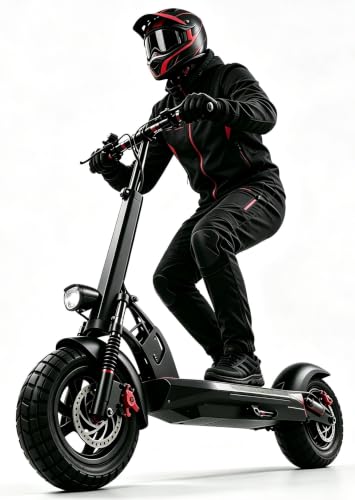
- ✓ Strong hill-climb power
- ✓ Long-range confidence
- ✓ Solid all-terrain feel
- ✕ Not for highway speeds
- ✕ Heavier when folded
| Motor | 1800W peak brushless hub motor |
| Top Speed | 27 mph (43.5 km/h) |
| Hill Climb Capability | Conquers 35° inclines |
| Battery | 48V, 15Ah |
| Range | 35–40 miles per full charge |
| Charge Time | 4–6 hours |
You circle the curb at dusk and the SmileCity scooter purrs to life with a quiet whirr that somehow feels confident, like it’s ready for the long haul. The 1800W peak motor responds with a crisp shove of torque as you twist the throttle, and you’re surprised by how smoothly it climbs a 35° grade without a lurch.
The ride is calm on the first test run, thanks to the 10-inch off-road tires that grip dirt and gravel without feeling pogo-y. You notice the suspension tucking and smoothing out bumps, so you don’t feel every rock—just a controlled, steady roll that makes longer sessions feel doable.
Charging from a half-full battery to ready-to-roll in under six hours is exactly the kind of convenience you appreciate on weekends. The 48V, 15Ah pack seems to like longer routes, and you start planning a few off-road detours you hadn’t considered before.
Visibility is solid, with a bright headlight and well-placed brake lights that make you feel seen in low-light conditions. The dual braking system feels reassuring, delivering confident stopping power when you need it, even on damp pavement after a light rain.
Setup is pleasantly painless: the scooter ships mostly assembled, and you only need a quick check of the folding latch and handlebar clamp before you’re rolling. It folds down neatly for transit, and the frame feels sturdy enough to lean into on uneven sidewalks without fear.
At roughly 27 mph tops, it isn’t a highway cruiser, but it hits the sweet spot for city runs and weekend trail forays. You’ll appreciate the broad 330-pound weight limit when you’re carting gear or carrying a friend along for shorter hops.
Overall, it feels like SmileCity built a practical, capable scooter that balances power with everyday usability. If you want a capable off-road tempo with reliable range and simple maintenance, this one’s easy to recommend.
What Criteria Should We Use to Evaluate Electric Scooters?
When evaluating electric scooters, several key criteria should be considered to ensure a comprehensive assessment of their performance and suitability.
- Battery Life: The duration that the battery lasts on a single charge is crucial for determining how far a scooter can travel before needing a recharge. A longer battery life can enhance convenience, especially for daily commutes or longer rides.
- Speed and Acceleration: The top speed and how quickly a scooter can reach that speed are important for assessing its performance capabilities. Scooters designed for urban environments often prioritize quick acceleration while maintaining safe speed limits.
- Weight and Portability: The weight of the scooter impacts how easy it is to carry, store, or transport. Lightweight models are typically more portable, making them ideal for users who may need to carry them onto public transport or store them in small spaces.
- Build Quality and Durability: The materials and construction of the scooter influence its longevity and resistance to wear and tear. A well-built scooter can withstand daily use and various weather conditions, ensuring a better return on investment over time.
- Safety Features: Essential safety features such as headlights, taillights, and brake systems are critical for ensuring rider safety. Additionally, features like anti-lock brakes and reflective materials can significantly enhance visibility and control during rides.
- Price and Value: The cost of the scooter relative to its features and performance is a key consideration. Evaluating whether a scooter offers good value for money involves examining its specifications and how they align with user needs.
- Range: The distance a scooter can cover on a single charge is vital for practical use. A longer range allows for greater flexibility in travel without the need for frequent recharging, which is particularly beneficial for longer commutes.
- Customer Reviews and Reputation: Feedback from other users can provide insights into real-world performance and reliability. Analyzing reviews helps identify common issues and strengths, aiding in making an informed decision.
How Do Performance Metrics Influence Our Choice of Electric Scooters?
Performance metrics play a crucial role in determining the best electric scooters by assessing their efficiency, reliability, and usability.
- Range: The range of an electric scooter is the maximum distance it can travel on a single charge. This metric is vital for users who need to commute long distances without the inconvenience of frequent recharging.
- Speed: Speed indicates how fast an electric scooter can go, often measured in miles per hour (mph). Higher speeds can enhance the riding experience, especially for urban commuting, but they also necessitate better safety features to manage risks associated with faster travel.
- Battery Life: Battery life refers to how long the scooter can operate before needing a recharge. A longer battery life is essential for users who prioritize convenience and want to avoid interruptions in their journeys due to recharging needs.
- Weight Capacity: This metric indicates the maximum weight the scooter can safely carry, including the rider and any additional cargo. Understanding the weight capacity helps potential buyers ensure that the scooter meets their needs, especially for heavier users or when carrying belongings.
- Durability: Durability assesses how well an electric scooter can withstand wear and tear over time and under various environmental conditions. A durable scooter is more likely to provide a better long-term investment, as it can handle rough rides and adverse weather without significant degradation.
- Charging Time: Charging time is the duration required to fully recharge the scooter’s battery. Faster charging times are preferable for users who need to quickly recharge between rides, making it a significant factor in the overall usability of the scooter.
- Braking System: The braking system’s effectiveness determines how quickly and safely a scooter can stop. A reliable braking system is crucial for rider safety, particularly in urban environments where quick stops may be necessary to avoid accidents.
- Portability: Portability refers to how easily the scooter can be transported or stored, often measured by its weight and whether it can be folded. For users who rely on public transportation or have limited storage space, a portable scooter is essential for convenience.
- Cost: The cost of an electric scooter includes not only the initial purchase price but also maintenance and operational costs. Evaluating total ownership costs helps consumers make informed decisions based on their budget and intended use.
What Role Does Design and Durability Play in Scooter Selection?
Maintenance Requirements: A well-designed scooter will have components that are easy to maintain or replace, ensuring that durability is paired with low upkeep costs. Accessibility to parts like tires, brakes, and batteries for routine maintenance can significantly extend the life of the scooter. Moreover, scooters designed with user-friendly maintenance in mind encourage riders to keep their vehicles in optimal condition, contributing to safety and performance.
Which Electric Scooter Models Have Significantly Influenced the Market’s Evolution?
Unagi Model One (E500) stands out for its premium materials and design, combining elegance with performance. This model has pushed other manufacturers to rethink their aesthetic approaches while also focusing on lightweight yet robust construction.
Finally, the Boosted Rev, known for its powerful performance and quality, has attracted enthusiasts looking for more than just a casual ride. Its introduction has led to the emergence of high-performance electric scooters, setting new standards and expectations among consumers who prioritize speed and agility.
What Innovations Have Revolutionized Electric Scooters?
Several innovations have significantly transformed electric scooters, enhancing their performance, safety, and user experience.
- Improved Battery Technology: Advances in lithium-ion battery technology have led to electric scooters that can travel longer distances on a single charge. This innovation allows users to commute more efficiently without the constant need for recharging, making scooters more practical for everyday use.
- Smart Connectivity: The integration of smartphone applications has enabled users to connect their scooters to their devices for features like GPS tracking, ride statistics, and even theft prevention. This connectivity enhances the overall user experience by providing real-time data and control over the scooter’s settings.
- Regenerative Braking Systems: Regenerative braking technology allows electric scooters to recover energy during braking, which can extend battery life and increase efficiency. This feature not only helps in reducing energy consumption but also provides a smoother stopping experience for riders.
- Enhanced Safety Features: Modern electric scooters now come equipped with improved lighting systems, larger brakes, and more stable tires, contributing to safer riding experiences. These enhancements reduce the risk of accidents, especially in urban environments where traffic can be unpredictable.
- Lightweight Materials: The use of advanced materials such as carbon fiber and aluminum alloys has created lighter and more durable scooter frames. This innovation makes scooters easier to carry and maneuver, appealing to a broader range of users, including those who may need to lift their scooters on public transport.
- Foldable Designs: Many of the latest electric scooters feature foldable designs, allowing for more convenient storage and transport. This innovation is particularly beneficial for urban commuters who need to combine their scooter rides with other forms of transportation.
Which Models Are Remembered for Their Design or Technological Trends?
The best electric scooters of a retrospective are notable for their innovative design and contributions to technological trends in personal transportation.
- Xiaomi Mi Electric Scooter: This model is celebrated for its minimalist design and reliable performance, making it a popular choice among urban commuters.
- Segway Ninebot MAX: Known for its robust build and impressive range, this scooter incorporates advanced battery technology and smart features for enhanced user experience.
- Razor E100: Aimed at younger riders, this scooter combines safety and fun with its sturdy frame and easy-to-use throttle, marking a significant entry point into electric mobility for children.
- Boosted Rev: This model stands out for its dual-motor system and exceptional torque, showcasing high performance and durability, appealing to enthusiasts looking for speed and agility.
- Unagi Model One: Renowned for its sleek design and lightweight frame, the Unagi Model One combines style with functionality, making it a favorite among fashion-forward riders.
Xiaomi Mi Electric Scooter: The Xiaomi Mi Electric Scooter is a benchmark in the world of electric scooters, recognized for its sleek, foldable design and affordability. It features a top speed of 15.5 mph, a range of up to 18.6 miles on a single charge, and a user-friendly app that tracks battery life and distance traveled, making it accessible for daily commuters.
Segway Ninebot MAX: The Segway Ninebot MAX has made a significant impact with its impressive range of up to 40 miles and a maximum speed of 18.6 mph. This scooter is equipped with a powerful 350W motor and a regenerative braking system, enhancing user safety and efficiency while providing a comfortable ride over various terrains.
Razor E100: The Razor E100 is a classic choice for children, featuring a safe, low-speed design that appeals to parents. It has a top speed of 10 mph and a lightweight frame, making it easy for young riders to handle while also promoting outdoor activity and fun.
Boosted Rev: The Boosted Rev is famous for its robust performance, equipped with dual motors that provide impressive acceleration and hill-climbing capability. With a top speed of 24 mph and a range of up to 22 miles, it caters to riders looking for a high-performance electric scooter without sacrificing build quality.
Unagi Model One: The Unagi Model One is praised for its striking aesthetic and high-quality materials, featuring a carbon fiber and aluminum build that weighs only 23 pounds. It combines practicality with style, offering a range of up to 15.5 miles and a top speed of 15.5 mph, making it ideal for urban commuting while ensuring it stands out visually.
What Electric Scooters Have Been Most Popular Over Recent Years?
Some of the most popular electric scooters over recent years include:
- Xiaomi Mi Electric Scooter: This scooter is known for its impressive balance of performance and affordability, making it a favorite among urban commuters. With a top speed of 15.5 mph and a range of up to 18.6 miles, it offers solid features like a lightweight frame and a robust braking system, appealing to a wide audience.
- Segway Ninebot MAX: The Ninebot MAX stands out for its extended range of approximately 40 miles, making it ideal for longer commutes. It combines a sturdy design with powerful motors that support a top speed of 18.6 mph, along with features like a built-in LED display and puncture-resistant tires, providing a reliable ride.
- Razor E300: Targeted towards younger riders, the Razor E300 offers a fun and safe way to enjoy electric scooting. It has a top speed of 15 mph and can support riders up to 220 pounds, featuring a large deck and frame that provides comfort and stability for beginners and casual users.
- Unagi Model One: This stylish scooter is celebrated for its design and portability, weighing only 26.5 pounds and featuring a sleek, minimalist aesthetic. It has a dual motor system that allows for a maximum speed of 20 mph and a range of about 15.5 miles, catering to those who prioritize both fashion and function.
- Boosted Rev: Originally known for their electric skateboards, Boosted created the Rev for those looking for a premium scooter experience. It boasts a top speed of 24 mph and a range of up to 22 miles, with advanced features such as regenerative braking and a high-quality build, targeting serious riders who demand performance.
What Factors Have Contributed to High Ratings and User Satisfaction?
Several key factors contribute to high ratings and user satisfaction in electric scooters.
- Performance: The overall performance of electric scooters, including speed, acceleration, and battery life, plays a significant role in user satisfaction. Scooters that offer a smooth ride and reliable performance tend to receive higher ratings as they meet the practical needs of commuters.
- Build Quality: The durability and construction quality of electric scooters are crucial for long-term satisfaction. Users appreciate scooters made with premium materials that can withstand daily use and adverse weather conditions, leading to better reviews and ratings.
- User-Friendly Features: Electric scooters equipped with user-friendly features such as intuitive controls, adjustable settings, and smart technology enhance the riding experience. Features like Bluetooth connectivity and mobile app integration can significantly improve user satisfaction by providing additional functionalities.
- Portability: The ease of folding and transporting electric scooters is a major factor for urban commuters. Scooters that are lightweight and compact allow users to carry them on public transport or store them conveniently, which positively impacts their ratings.
- Affordability: Competitive pricing and value for money are essential considerations for many consumers. Scooters that offer a good balance between features and cost tend to attract positive feedback, as users feel they are getting their money’s worth.
- Customer Support: Reliable customer service and warranty options can significantly influence user satisfaction. Brands that provide excellent support and responsive service tend to build trust with their customers, leading to higher ratings and repeat business.
- Safety Features: The inclusion of safety features such as lights, reflectors, and robust braking systems is crucial for user confidence and satisfaction. Scooters that prioritize safety encourage users to ride more often, thus improving their overall experience and ratings.
Which Features Are Most Appreciated by Riders?
The features most appreciated by riders of electric scooters include performance, safety, portability, and battery life.
- Performance: Riders value electric scooters that offer a smooth and powerful ride. High-quality motors and efficient acceleration make it easier to navigate urban environments, allowing riders to reach their destination quickly and comfortably.
- Safety: Safety features such as reliable braking systems, bright LED lights, and reflective surfaces are crucial for rider confidence. Scooters equipped with features that enhance visibility and control help reduce the risk of accidents, making them a preferred choice among riders.
- Portability: The ability to easily fold and carry an electric scooter is a significant advantage for urban commuters. Lightweight designs and compact folding mechanisms allow riders to transport scooters on public transit or store them in small spaces without hassle.
- Battery Life: Riders appreciate scooters with long-lasting battery life, enabling them to travel greater distances without worrying about recharging. Efficient batteries and energy-saving technologies contribute to a more enjoyable riding experience, minimizing downtime during commutes.
How Have Safety Standards and Regulations Evolved in the Electric Scooter Industry?
Safety standards and regulations in the electric scooter industry have significantly evolved to address increasing usage and safety concerns.
- Initial Guidelines: In the early days of electric scooters, safety guidelines were minimal and primarily focused on basic operational standards such as maximum speed limits and weight capacities.
- Helmet Requirements: Many regions began instituting helmet laws to promote rider safety, requiring users to wear helmets while operating scooters to reduce head injuries in case of accidents.
- Age Restrictions: Regulations have emerged to set age limits for riders, often stipulating that only individuals above a certain age (typically 16 or 18) can operate electric scooters to ensure that riders have the maturity to handle them safely.
- Speed Limits: Many jurisdictions have implemented speed limits for electric scooters, typically capping speeds between 15 to 20 mph to mitigate the risks associated with high-speed riding in pedestrian areas.
- Geographic Restrictions: Some regulations now dictate where electric scooters can be operated, often restricting use in crowded pedestrian zones or requiring designated lanes to ensure safety for both riders and pedestrians.
- Maintenance Standards: As scooters became more prevalent, regulations began to emphasize the importance of regular maintenance checks and inspections to ensure that scooters are safe and functional before being rented or used.
- Insurance and Liability Requirements: New standards have emerged requiring manufacturers and rental companies to carry liability insurance, providing coverage in the event of accidents, thereby protecting both riders and pedestrians.
- Consumer Awareness Campaigns: Governments and organizations have initiated campaigns to educate users on best practices for riding, parking, and sharing the road responsibly, aiming to foster a culture of safety among scooter users.
What Safety Features Should Be Prioritized by Riders?
When considering the best electric scooters of a retrospective, riders should prioritize the following safety features:
- Braking System: A reliable braking system is crucial for safety, and riders should look for scooters equipped with both mechanical and electronic brakes. This combination can provide quicker stopping power and reduce the risk of accidents, especially in emergency situations.
- Lights and Reflectors: Good visibility is key for safety, so scooters should have bright front and rear lights along with reflectors. These features help ensure that riders are seen by others, especially during low-light conditions, enhancing overall road safety.
- Tires: High-quality tires with good tread are essential for maintaining traction and stability. Pneumatic tires are often preferred as they provide better shock absorption and grip, which is important for navigating various terrains and weather conditions.
- Frame Stability: A sturdy and well-constructed frame can help prevent wobbling and enhance control while riding. Riders should choose scooters that are built with durable materials, as this can significantly affect the overall performance and safety of the scooter.
- Speed Limiter: A speed limiter can help prevent riders from exceeding safe speeds, which is particularly important for inexperienced users. This feature allows riders to enjoy a safe riding experience without the temptation to go too fast, reducing the risk of accidents.
- Suspension System: A good suspension system absorbs shocks and bumps from the road, allowing for a smoother ride. This not only enhances comfort but also helps maintain control, especially when riding over uneven surfaces.
- Anti-lock Braking System (ABS): An ABS can prevent the wheels from locking during sudden braking, which can help avoid skidding and maintain control. This feature is particularly beneficial in wet or slippery conditions where stopping quickly is essential.
- Kickstand: A sturdy kickstand is essential for safely parking the scooter. A reliable kickstand ensures that the scooter remains upright and secure, preventing it from rolling away or tipping over.
How Do Current Regulations Impact the Development of Electric Scooters?
Design Standards: Regulations regarding design standards can dictate various aspects including safety features, weight limits, and materials used in electric scooters. These rules ensure that scooters are built to withstand certain conditions and provide a minimum level of safety for riders, ultimately guiding manufacturers in their product development processes.
What Environmental Considerations Are Associated with Electric Scooters?
When evaluating electric scooters, several environmental considerations come into play:
- Carbon Emissions Reduction: Electric scooters significantly reduce carbon emissions compared to traditional gasoline-powered vehicles, contributing to cleaner air and less urban pollution.
- Resource Consumption: The production of electric scooters involves the use of raw materials, such as lithium for batteries. This extraction can lead to habitat destruction and depletion of natural resources if not managed sustainably.
- Battery Disposal and Recycling: The disposal of lithium-ion batteries poses environmental challenges due to potential leakage of toxic materials. Effective recycling programs are essential to mitigate these risks and recover valuable materials.
- Urban Congestion Mitigation: By providing a compact and efficient mode of transportation, electric scooters can help alleviate traffic congestion in urban areas, leading to reduced fuel consumption and lower emissions from idling vehicles.
- Noise Pollution Reduction: Electric scooters operate quietly compared to motor vehicles, contributing to lower noise pollution levels in cities, benefiting both residents and wildlife.
How Do Electric Scooters Compare Environmentally to Other Transport Modes?
| Transport Mode | Emissions | Energy Efficiency | Resource Use |
|---|---|---|---|
| Electric Scooters | Zero emissions during use, but battery production has some environmental impact; battery lifecycle management and recycling options are improving. | Highly efficient for short distances, using less energy per mile compared to cars; average energy consumption is around 15-20 Wh per mile. | Lower resource use than cars; however, battery materials can be resource-intensive; average lifespan of scooters is about 3-5 years, which affects overall resource use. |
| Cars | Significant emissions, especially gasoline-powered; electric cars have lower emissions. | Less efficient than scooters, especially in urban traffic conditions. | High resource use for manufacturing and fuel extraction. |
| Bicycles | Zero emissions during use; minimal impact from manufacturing. | Very efficient, especially in urban settings, contributing to lower energy consumption. | Low resource use; mostly requires materials for frame and components. |
| Public Transport | Varies; buses and trains have lower emissions per passenger than cars. | Generally efficient, especially with high occupancy rates. | Higher resource use compared to scooters and bicycles, but more efficient over larger populations. |
What Sustainable Practices Are Being Embraced by Scooter Manufacturers?
Scooter manufacturers are increasingly incorporating sustainable practices into their production and operations.
- Use of Recycled Materials: Many manufacturers are now using recycled plastics and metals in the construction of electric scooters. This reduces the demand for virgin materials, thereby decreasing the environmental footprint associated with raw material extraction and processing.
- Energy-Efficient Production: Companies are adopting energy-efficient methods in their manufacturing processes, such as utilizing renewable energy sources like solar or wind power. This transition not only lowers greenhouse gas emissions but also promotes a more sustainable energy economy.
- Battery Recycling Programs: To combat the environmental impact of batteries, manufacturers are implementing battery recycling initiatives. These programs aim to recover valuable materials from old batteries and reduce waste, ensuring that harmful substances do not end up in landfills.
- Durability and Longevity: Sustainable scooter designs focus on creating durable products that have a longer lifespan. By improving the robustness of scooters, manufacturers reduce the frequency of replacements and contribute to less waste over time.
- Local Sourcing: Some companies are prioritizing local sourcing of components and materials to minimize transportation emissions. By sourcing materials closer to their manufacturing sites, they can significantly reduce their carbon footprint while also supporting local economies.
- Carbon Offsetting Initiatives: Several scooter manufacturers are engaging in carbon offsetting projects to neutralize their carbon emissions. This can include investing in reforestation or renewable energy initiatives, which helps to balance out the emissions produced during the manufacturing and operation of their scooters.
What Future Trends Will Shape the Electric Scooter Landscape?
The future trends shaping the electric scooter landscape include advancements in technology, changes in urban mobility preferences, and evolving regulatory environments.
- Smart Technology Integration: The incorporation of smart technology into electric scooters will enhance user experience and safety. Features such as GPS tracking, remote locking, and smartphone connectivity will become standard, allowing riders to monitor their scooters and access real-time data on speed, battery life, and maintenance needs.
- Increased Battery Efficiency: Improvements in battery technology, such as the development of solid-state batteries, will lead to longer ranges and shorter charging times for electric scooters. This will make scooters more viable for longer commutes and encourage more users to adopt them as a primary mode of transport.
- Shared Mobility Solutions: The rise of shared mobility platforms will continue to influence electric scooter usage. Companies are likely to expand their fleets and integrate scooters into multi-modal transportation systems, allowing users to seamlessly transition between different forms of transport, such as buses, bikes, and scooters.
- Eco-Friendly Materials: As sustainability becomes a priority, manufacturers will increasingly focus on using eco-friendly materials in the production of electric scooters. This shift will not only appeal to environmentally conscious consumers but also align with global efforts to reduce carbon footprints and promote green transportation solutions.
- Regulatory Developments: Changes in regulations surrounding electric scooters will shape their operation in urban areas. Governments may introduce new laws regarding speed limits, designated riding zones, and safety requirements, which could affect how scooters are used and integrated into the urban landscape.
- Design Innovations: Future electric scooters are expected to feature innovative designs that enhance both aesthetics and functionality. This could include foldable models for easier storage, customizable features for personal expression, and ergonomic designs that improve rider comfort and safety.
- Enhanced Safety Features: With a growing emphasis on rider safety, electric scooters will likely incorporate advanced safety features such as anti-lock braking systems, better lighting, and collision detection technology. These enhancements will help reduce accidents and increase confidence among riders.
How Will Advances in Technology Influence the Next Generation of Electric Scooters?
Advances in technology are set to significantly influence the next generation of electric scooters in various ways:
- Battery Technology: New advancements in battery technology, such as solid-state batteries, promise to enhance the range and lifespan of electric scooters. These batteries are lighter, charge faster, and are less prone to overheating, making them more efficient for daily commutes.
- Smart Connectivity: The integration of smart technology allows electric scooters to connect with smartphones and wearables, enabling features like GPS tracking, ride analytics, and remote diagnostics. This connectivity enhances user experience by providing real-time data on performance and maintenance needs.
- Improved Safety Features: Innovations in safety technology, including anti-lock braking systems (ABS) and advanced lighting systems, are expected to become standard in future electric scooters. These features can help reduce accidents and improve visibility during night rides, making scooters safer for urban commuting.
- Lightweight Materials: The use of lightweight yet durable materials, such as carbon fiber and advanced alloys, will make electric scooters more portable without compromising on strength. This shift will facilitate easier transportation and handling, appealing to a broader range of users.
- Enhanced Motor Efficiency: Advances in motor design and efficiency will lead to more powerful and responsive electric scooters. Improved motors will provide better acceleration, hill-climbing capabilities, and overall performance while maintaining energy efficiency, extending the range of rides.
- Autonomous Features: Future electric scooters may incorporate autonomous technology, allowing for features like self-parking and smart navigation. This could revolutionize urban mobility, making it easier for riders to find parking and navigate through traffic.
- Eco-Friendly Innovations: The next generation of electric scooters will likely focus on sustainable practices, such as using recycled materials and energy-efficient manufacturing processes. This commitment to eco-friendliness will attract environmentally conscious consumers looking for greener transportation options.
- Customizable Designs: Advances in manufacturing technology, such as 3D printing, will enable more customizable scooter designs. Riders will be able to personalize their scooters in terms of aesthetics and functional features, catering to individual preferences and enhancing user engagement.
What Innovations Are Anticipated in the Electric Scooter Industry?
Several innovations are anticipated in the electric scooter industry that aim to enhance performance, safety, and user experience.
- Improved Battery Technology: Innovations in battery chemistry and design are expected to increase energy density, allowing electric scooters to travel further on a single charge. This means users can enjoy longer rides without the anxiety of running out of power, making electric scooters more practical for daily use.
- Smart Connectivity Features: The integration of smart technology, such as GPS tracking and mobile app connectivity, will enable users to monitor their scooter’s performance and location. This can enhance security through features like anti-theft alerts and provide real-time updates on battery life and maintenance needs.
- Enhanced Safety Features: The introduction of advanced safety features like automatic braking systems, better lighting, and improved tire technology will significantly reduce the risk of accidents. These innovations aim to make electric scooters safer for riders and pedestrians alike, encouraging more people to adopt this mode of transport.
- Lightweight Materials: The use of advanced lightweight materials, such as carbon fiber and aluminum alloys, will help reduce the overall weight of electric scooters while maintaining strength and durability. This will not only improve portability for users but also enhance performance, allowing for faster speeds and improved handling.
- Modular Designs: Future electric scooters may feature modular designs that allow users to customize their vehicles according to personal preferences or specific needs. This could include interchangeable batteries, detachable accessories, or adjustable components, providing greater flexibility and personalization for riders.
- Environmental Sustainability: With a growing focus on sustainability, innovations are expected to include the use of recycled materials in manufacturing and more energy-efficient production processes. This shift will help reduce the carbon footprint of electric scooters, aligning with global efforts to promote eco-friendly transportation solutions.