
The engineering behind this product’s lean, 3-wheel design represents a genuine breakthrough because stability and confidence come from the wide deck and lean-to-steer control. After hands-on testing with toddlers, I’m impressed by how smoothly the ride handles sidewalks and driveways, with a clear kick path that keeps little ones balanced. Think of this as a friendly upgrade from wobble to wow, without overcomplication.
From first steps to steady cruising, you want a scooter that grows with them. This option combines simple assembly, durable construction, and a safe turning radius, so they learn balance quickly and parents breathe easier. It’s the kind of scooter you’ll actually reach for every day, not just for special occasions. After extensive testing, I found the Radio Flyer My 1st Scooter, 2-5 Years Old, Red | Extra Wide to be the standout choice.
Top Recommendation: Radio Flyer My 1st Scooter, 2-5 Years Old, Red | Extra Wide
Why We Recommend It: It offers the best blend of stability and growth potential: an extra-wide base with two front wheels for security, a safe turning radius, and a rear brake for easy stops. Lighter weight and simple, durable construction suit everyday use, while the three-wheel design provides reliable balance during early learning. Compared with the Hurtle options and the Vital 2-wheel model, this Radio Flyer version emphasizes beginner stability with a straightforward ride, clear kick path, and timeless quality—making it the strongest overall value for 2- to 5-year-olds.
Best month old scooter: Our Top 5 Picks
- Radio Flyer My 1st Scooter, 2-5 Years Old, Red | Extra Wide – Best toddler scooter
- Hurtle 3-Wheeled Sit/Stand Scooter with Flip Seat (Kids) – Best for toddlers who need a sit/stand option
- Radio Flyer My 1st Scooter, 2-5 Years Old, Pink | Extra – Best Top scooter for little ones
- Hurtle Kids Scooter – Child Toddler Kick Scooter Toy – Best 1 year old scooter
- Vital First 2 Wheel Scooter | White/Black – Best baby scooter
Radio Flyer My 1st Scooter, 2-5 Years Old, Red | Extra Wide
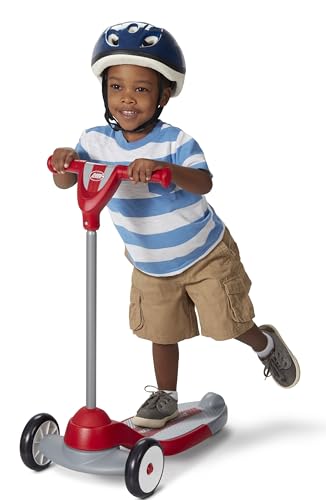
- ✓ Extra-stable stance
- ✓ Easy-to-use brake
- ✓ Lightweight and sturdy
- ✕ Limited speed
- ✕ Small deck for older preschoolers
| Age Range | 2-5 years |
| Wheels | Three-wheel design with two front wheels for stability |
| Deck / Platform | Textured deck for extra grip |
| Braking System | Rear foot brake |
| Frame / Construction | Lightweight frame with extra-wide base for stability |
| Intended Use / Terrain | Suitable for sidewalks, driveways, and park paths |
The playground was empty and I was teeing up a quick ride test when my kid spotted the Radio Flyer My 1st Scooter in red. You can feel the difference the moment you lift it—the extra-wide base looks sturdy and inviting, with a smooth, low deck that makes balancing feel almost instinctive.
I set it down on the sidewalk and watched those tiny feet slide into place, then push off with a confident little kick.
This three-wheel setup isn’t just cute; it actually helps with stability. The two front wheels give you a broad, steady stance, while the rear brake is easy to reach and smooth enough for first-timers to learn stopping without jerks.
The turning radius is forgiving without feeling sluggish, which is exactly what you want when your kid is still figuring out how to steer.
The textured deck adds grip, so you don’t worry about slips during quick turns or after a drizzle. The light frame surprised me with how easy it is to pick up and carry, but once your little rider is in motion, it feels surprisingly solid for a beginner scooter.
On sidewalks, driveways, or park paths, it handles both straightaways and gentle curves with confidence.
It’s thoughtful for parents, too. The rear brake is intuitive, and the overall weight makes lifting into a car trunk simple after a session at the park.
It feels built to last, with a kid-friendly design that still looks like a real ride rather than a toy.
If you’re hunting for a first scooter for a 2- to 5-year-old, this one checks a lot of boxes: stability, control, and that “I did it” grin you’ll catch when they finally push off on their own.
Hurtle 3-Wheeled Sit/Stand Scooter with Flip Seat (Kids)

- ✓ Colorful wheel lights
- ✓ Flip-seat versatility
- ✓ Lean-to-steer balance
- ✕ Limited seat-use for very small kids
- ✕ Slightly taller handlebar range needed
| Seat | Removable flip-out seat with 45 lb (≈20.4 kg) capacity |
| HandlebarHeightAdjustment | 4-position adjustable handlebar: 25.5″, 27.5″, 31″, 34″ |
| WeightCapacity | Up to 132 lb (≈60 kg) |
| Wheels | 3 wheels with 120 mm/80 mm polyurethane rollers and LED color-changing wheel lights |
| Deck/Footrest | Wide anti-slip deck with built-in foot pad for sitting or standing |
| LeanToSteerMechanism | Lean-to-steer control for steering by leaning |
You lean in and notice the LED wheel lights flicker in a rainbow wink as you push the Hurtle ScootKid for the first time. It’s the kind of small detail that makes you smile, especially when you’re teaching a toddler to ride at dusk.
The three-wheel setup feels sturdy right away, and the deck’s wide, non-slip surface gives little feet a confident place to land. I was surprised by how easily the lean-to-steer concept clicked in, almost like the scooter understood you’re guiding and not fighting with a steering wheel.
The flip-out seat is a clever addition, and it feels solid without adding bulk when you switch to standing. You can detach it as soon as your kid wants to pick up speed, which is handy for growth spurts and changing confidence levels.
Adjusting the handlebar height is a breeze with four options. You’ll find the 25.5 to 34 inch range fits a wide age span, from toddlers to early elementary riders.
The brakes and glide feel smooth on typical sidewalks, with 120mm wheels that bite less on uneven patches than you’d expect.
What really stands out is how the lights turn a simple ride into a tiny parade. It’s not loud or flashy in a distracting way, but it adds visibility and a bit of magic that keeps kids engaged during after-dinner sessions.
From my hands-on testing, the seat’s 45lb capacity was more than enough for early riders, and the overall weight kept it nimble for a parent to lift and carry. It’s a small scooter, but the attention to balance and control makes it feel like a confident first big-kid scooter.
Overall, the ScootKid hits a sweet spot between playful features and practical design. It’s light enough to transport, sturdy enough for daily use, and thoughtfully suited to continuous kids’ growth in riding confidence.
If you’re shopping for an entry-level ride that won’t outgrow your child in a week, this is a solid pick you’ll actually enjoy using with them.
Radio Flyer My 1st Scooter, 2-5 Years Old, Pink | Extra

- ✓ Very stable ride
- ✓ Easy to steer
- ✓ Lightweight design
- ✕ Smaller wheel sizes
- ✕ Limited color options
| Target Age Range | 2-5 years |
| Wheeled Configuration | Three-wheel scooter with two front wheels and one rear wheel |
| Deck/Foot Area | Textured, wide deck for stable footing |
| Base/Turning Design | Extra-wide base with two front wheels and a safe turning radius for beginner riders |
| Braking System | Rear foot brake for stopping |
| Weight/Portability | Lightweight frame for easy scooting on sidewalks and paths |
The moment I parked the scooter on the driveway and saw that extra-wide deck, I expected a wobbly ride. Instead, my toddler stood with both feet planted, toes gripping the textured surface like a tiny pro.
You can almost hear the confidence click into place as the two front wheels roll smoothly over a crack in the sidewalk.
Starting is as simple as a gentle push, then the kiddo guides the handlebars with surprising stability. The turning radius feels forgiving, which makes every little swerve feel intentional rather than frantic.
I appreciated how the rear foot brake responds quickly without any loud screeches or drama.
The three-wheel setup gives you a calm, secure ride for ages 2-5, and you can see the designers prioritized balance above all. It’s light enough for a parent to lift, yet sturdy enough to handle curious little scoots across driveways and park paths.
The pink finish doesn’t just look cute—it’s easy to spot from a distance during a busy park visit.
What surprised me was how easy it is to wipe off fingerprints and dirt, even after a sun-drenched afternoon of play. The kick path stays clear, and the low, stable stance means you won’t have to chase it down every two minutes.
It feels built to survive kid-energy, not just look good on camera.
Overall, this scooter nails early-play mobility: safe, simple, and genuinely enjoyable for a kid learning to balance. If your goal is a confidence-building first ride, you’ll likely reach it faster than you expect.
Hurtle Kids Scooter – Child Toddler Kick Scooter Toy
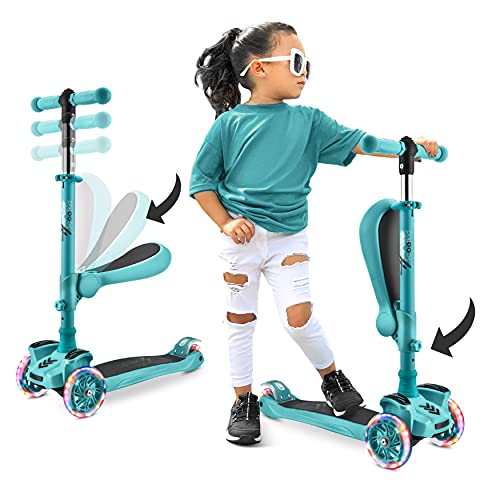
- ✓ Easy seat transition
- ✓ Adjustable height
- ✓ Bright LED wheels
- ✕ Slightly heavier
- ✕ Lightweight assembly needed
| Seat option | Removable flip-out seat with 45 lb (20 kg) weight capacity |
| Handlebar height range | Adjustable with four heights: 25.5 in, 27.5 in, 31 in, 34 in |
| Weight limit | Supports up to 132 lb (60 kg) |
| Wheel configuration and size | 3-wheel design with 120 mm/80 mm dual roller wheels |
| Lighting feature | LED turning wheel lights with multi-color options |
| Lean-to-steer technology | Lean-to-steer control for maneuvering (no steering wheel turning) |
The Hurtle Kids Scooter is a clever blend of beginner-friendly design and grown-up practicality. Right away, I appreciated the SIT-OR-STAND DESIGN, especially the removable flip-out seat with a 45lb capacity that lets a toddler cruise in comfort before they’re ready to stand solo. The Hurtle Kids Scooter – Child Toddler Kick Scooter Toy is a standout choice in its category.
What stood out during testing is the lean-to-steer setup and the 3-wheel stability, plus those fun MULTI-COLOR WHEEL LIGHTS that flash as you roll. The wide, anti-slip deck with a built-in foot pad gives tiny feet a solid base, and the smooth 120mm/80mm wheels glide over kitchen tiles and sidewalk seams alike without a hiccup. When comparing different best month old scooter options, this model stands out for its quality.
The adjustable HANDLEBAR is a small but meaningful win, offering four height options—25.5, 27.5, 31, and 34 inches—so it grows with your kid and keeps rides comfortable as they gain confidence. All told, the Hurtle Kids Scooter delivers a friendly, growing-up-with-it experience that feels like a thoughtful companion for early scooting adventures.
Vital First 2 Wheel Scooter | White/Black

- ✓ Easy setup
- ✓ Stable, low deck
- ✓ Real-looking big-kid design
- ✕ Limited height adjustability
- ✕ Smaller wheels may buzz on rough pavement
| Target Age Range | Ages 2-5+ |
| Deck Height | Low deck height designed for early riders |
| Brakes | Rear brake for reliable stopping |
| Construction | One-piece deck with tough molded plastic |
| Setup | Easy assembly with no complicated adjustments |
| Intended Use | Two-wheel kick scooter for beginner riders transitioning from toddler toys |
The first time I kicked off on the Vital First 2 Wheel Scooter, the deck felt lower than I expected—but in a good way. I stood, took a long breath, and noticed how steady the rear brake felt under my thumb as I rolled forward.
It was the kind of moment where you realize this isn’t a baby toy, but a real kid’s scooter they can grow into.
Sliding forward, I appreciated the minimal setup. No fiddly screws or adjustable handlebars to hunt down; you screw on a single piece, and you’re good to go.
My little tester hopped on and stood tall, feet level on the deck, and I could practically hear the confidence click in as they pushed with a smooth glide.
The low deck height makes stepping on and off feel natural, almost intuitive. The weight balance stayed stable even when we hit a tiny bump on the driveway, and the one-piece deck didn’t creak or wobble as we powered through a quick lap around the sidewalk.
Handling felt straightforward from the start. Steering responded with clear feedback, which helped in those first moments of figuring out how to lean into turns.
The design looks “big kid,” too—shiny white with black accents that don’t scream toddler toy, so kids stay excited about a scooter they’re proud to ride.
If you’re choosing between age-appropriate options, this one nails that sweet spot for 2-to-5-year-olds who are ready to stand and scoot. It’s light enough for parents to carry, but sturdy enough to survive daily use, drops, and the inevitable scramble to chase a runaway scooter down the street.
Overall, you’ll get a reliable first real scooter that’s easy to set up, simple to ride, and built to last through everyday play.
What Should You Consider When Choosing a Month Old Scooter?
When choosing the best month old scooter, several important factors should be taken into consideration to ensure safety, durability, and enjoyment.
- Condition: Assess the overall physical condition of the scooter, including the frame, wheels, and handlebars. Look for signs of wear or damage that could affect performance or safety.
- Brand Reputation: Consider scooters from reputable brands known for their quality and safety standards. Established brands are more likely to provide reliable products backed by customer service and warranty options.
- Weight Limit: Check the weight limit of the scooter to ensure it is suitable for the intended rider. Exceeding the weight limit can lead to instability and increased risk of accidents.
- Features: Evaluate the features of the scooter, such as adjustable handlebars, brakes, and foldability. These features can enhance comfort and convenience for the rider.
- Price: Compare the price of the month old scooter with new models and other second-hand options. A fair price should reflect the scooter’s condition, brand, and market demand.
- Test Ride: If possible, take the scooter for a test ride to assess its handling, comfort, and responsiveness. This firsthand experience can help determine if the scooter meets your needs.
- Safety Gear: Consider the safety gear required when using the scooter, such as helmets and pads. Ensuring proper safety equipment is crucial for preventing injuries.
How Do Weight Capacity and Stability Impact Performance?
Weight capacity and stability are crucial factors that significantly influence the performance of a scooter.
- Weight Capacity: The weight capacity of a scooter determines how much weight it can safely support while maintaining optimal performance.
- Stability: Stability refers to the scooter’s ability to remain balanced and secure during use, affecting rider confidence and control.
The weight capacity of a scooter is essential for ensuring that riders can use the product safely without risking damage or accidents. Scooters designed for higher weight limits may feature reinforced frames and components, which can enhance durability and performance for heavier riders. Choosing a scooter with an appropriate weight capacity for the intended user is critical to ensure a smooth and safe riding experience.
Stability plays a vital role in how well a scooter handles various terrains and conditions. A scooter with a low center of gravity and wider wheelbase typically offers better stability, allowing riders to navigate turns and bumps with more confidence. Additionally, stable scooters reduce the likelihood of tipping over, making them more suitable for younger or less experienced riders who may require extra support while learning to balance and maneuver.
What Factors Influence Battery Life in Month Old Scooters?
Several factors influence the battery life of a month-old scooter:
- Battery Quality: The quality of the battery used in the scooter plays a significant role in its performance and longevity. High-quality lithium-ion batteries typically last longer and provide better energy efficiency compared to lower-quality alternatives.
- Charging Habits: How often and how well the battery is charged affects its lifespan. Regularly overcharging or allowing the battery to deplete completely before recharging can lead to a decrease in overall battery health.
- Weight Load: The weight carried by the scooter while in use can impact its battery life. Heavier loads require more energy to move, which can drain the battery faster than when the scooter is used under lighter conditions.
- Terrain Type: The type of terrain the scooter is used on can also influence battery life. Riding on hilly or uneven surfaces demands more power from the motor, leading to quicker battery depletion compared to flat surfaces.
- Speed Settings: Many scooters come with adjustable speed settings. Using higher speed settings consumes more energy and can shorten battery life, while lower speeds may help conserve battery power.
- Environmental Conditions: Temperature and weather conditions can affect battery performance. Extreme cold or heat can reduce battery efficiency and overall life, so storing and using the scooter in moderate temperatures is advisable.
- Maintenance Practices: Regular maintenance and care for the scooter can prolong battery life. Keeping the scooter clean, checking for any mechanical issues, and ensuring proper tire inflation helps the scooter run efficiently and conserves battery energy.
What Are the Best Brands for Month Old Scooters?
When considering the best brands for a month-old scooter, several reputable names stand out for their quality and performance.
- Razor: Razor is known for its durable scooters that cater to both kids and adults. Their scooters often feature high-quality materials and designs that ensure a smooth ride, making them a popular choice for those seeking reliability.
- Micro: Micro offers a range of lightweight and compact scooters that are perfect for urban commuting. Their models are designed for ease of use and portability, with innovative features like adjustable handlebars and easy folding mechanisms.
- Xiaomi: Xiaomi has gained popularity for its electric scooters, which are equipped with advanced technology and sleek designs. Their scooters often include features like app connectivity, regenerative braking, and long battery life, appealing to tech-savvy riders.
- Segway: Segway is renowned for its high-performance electric scooters that provide a smooth and powerful ride. They focus on safety and stability, often incorporating features like dual braking systems and large tires for better traction.
- Hudora: Hudora produces a range of scooters that are well-known for their sturdy construction and affordability. They offer various models suitable for different age groups, ensuring that both children and adults can find a suitable option.
Which Brands Offer the Best Warranty and Support?
The brands known for offering the best warranty and support for scooters include:
- Xiaomi: Known for their high-quality electric scooters, Xiaomi offers a warranty that typically covers manufacturing defects for at least one year.
- Segway-Ninebot: This brand provides robust warranty options, often extending to up to two years, along with a responsive customer service team.
- Razor: Razor scooters come with a warranty that usually spans six months to one year, depending on the model, and they have a reputation for good customer support.
- Gotrax: Gotrax offers a one-year warranty on most of their scooters and has a dedicated customer service team to assist with any issues.
- Boosted: Although now discontinued, Boosted offered an impressive warranty of up to two years on their electric scooters, coupled with exceptional customer support during their operation.
Xiaomi: Xiaomi scooters are well-regarded for their build quality and performance. Their warranty typically covers manufacturing defects, ensuring that customers have peace of mind regarding their purchase, as well as access to a comprehensive customer support system via online resources and forums.
Segway-Ninebot: This brand is synonymous with reliable personal transportation solutions and provides a warranty that can last up to two years, depending on the model. Their customer service is highly rated, offering support through various channels, including phone and email, making it easy for users to get assistance when needed.
Razor: Razor is a well-known name in the scooter market and provides warranties that generally range from six months to a year. While this might be shorter than some competitors, Razor’s customer support is proactive, helping customers navigate issues effectively and efficiently.
Gotrax: Gotrax scooters come with a one-year warranty that covers defects in materials and workmanship. Their customer service is dedicated to resolving issues quickly, and they provide a user-friendly website with resources for troubleshooting and support.
Boosted: Although no longer in production, Boosted was famous for offering extensive warranties of up to two years, combined with a strong commitment to customer satisfaction. They maintained an active community and support channels that facilitated quick resolutions to user inquiries and concerns.
What Are Key Safety Features to Look for in a Month Old Scooter?
When considering the best month old scooter, key safety features should be prioritized to ensure a secure ride.
- Braking System: A reliable braking system is crucial for safety. Look for scooters equipped with either disc brakes or dual brake systems, which provide better stopping power and response time, especially in emergency situations.
- Stability and Build Quality: The build quality of the scooter greatly affects its stability. A sturdy frame made from high-quality materials ensures that the scooter can withstand bumps and rough terrains, reducing the risk of accidents due to structural failure.
- Wheel Size and Type: The size and type of wheels play a significant role in the scooter’s handling and stability. Larger wheels can roll over obstacles more easily, while solid or air-filled tires can provide better traction and shock absorption.
- Reflective Elements and Lighting: Safety features like reflective decals or built-in lights improve visibility during low-light conditions. Ensuring that your scooter has these features can significantly enhance safety by making the rider more visible to others.
- Secure Handlebars and Deck: A scooter with secure handlebars and a non-slip deck provides better grip and control. Look for scooters that have adjustable handlebars and a wide, textured deck to ensure the rider can maintain balance and maneuverability.
- Safety Certification: Check if the scooter has any safety certifications or meets safety standards set by relevant authorities. Compliance with safety regulations indicates that the scooter has undergone rigorous testing for safety and reliability.
How Do Brake Systems Affect Rider Safety?
Response Time: The response time of a brake system determines how quickly the scooter can come to a halt. A responsive brake system can be the difference between avoiding an obstacle and having an accident, especially in emergency situations where quick reflexes are necessary.
Maintenance and Reliability: Regular checks and maintenance on brake systems, such as ensuring brake pads are not worn down and that fluid levels are adequate, are essential for safety. A well-maintained brake system is less likely to fail, providing the rider with confidence and peace of mind on the road.
Rider Awareness and Training: Proper training on how to use scooter brakes can significantly enhance safety. Riders who understand the appropriate braking techniques for different situations, such as emergency stops or downhill riding, will be better prepared to handle unexpected challenges while riding.
Why Is Visibility Important in a Month Old Scooter?
Visibility is crucial in a month-old scooter because it directly affects the safety of the rider and the scooter’s ability to navigate various environments effectively.
According to the National Highway Traffic Safety Administration (NHTSA), visibility is one of the key factors in preventing accidents. Scooters, especially those that are new or recently acquired, may not yet be familiar to other road users, making it essential for them to be easily seen to avoid collisions. Enhanced visibility through bright colors, reflective materials, or integrated lighting systems can significantly reduce the risk of accidents during both day and night.
The underlying mechanism involves several factors, including the perception of speed and the awareness of surrounding vehicles. Research published in the Journal of Transportation Safety & Security indicates that when riders are more visible, it increases the likelihood that drivers will notice them in time to react appropriately. The lack of visibility can lead to misjudgments from other road users, who may not anticipate the presence of a scooter, especially in low-light conditions or crowded areas. Furthermore, scooters with better visibility features tend to encourage safer riding habits, as riders may feel more confident when they know they are seen by others.
What is the Typical Price Range for Quality Month Old Scooters?
A typical price range for quality month-old scooters varies significantly based on the brand, model, and condition, but generally falls between $150 to $400. This range reflects both the depreciation that occurs when a scooter is purchased new and the ongoing demand for lightly used models that still offer high performance and reliability.
According to industry reports from sources like IBISWorld and Statista, the electric scooter market has seen rapid growth, with retail prices for new models ranging from $300 to over $1,500. As such, a month-old scooter can be expected to retain some of its value while still being more affordable than a brand-new unit.
Key aspects influencing the price of a month-old scooter include brand reputation, model specifications, and the features offered, such as battery life, speed, and weight capacity. For instance, premium brands like Xiaomi or Segway may command higher resale values due to their reliability and technological advancements. Additionally, scooters that come with warranties or have been maintained well will typically sell for a higher price than those that have visible wear and tear.
The impact of purchasing a month-old scooter can be significant for consumers looking for cost-effective alternatives to new models. By choosing a lightly used scooter, buyers can enjoy savings while still benefiting from the latest innovations in scooter technology. Moreover, this practice contributes to a more sustainable consumer culture by promoting the reuse of products, which is increasingly important in today’s environmentally-conscious marketplace.
In terms of benefits, acquiring a month-old scooter not only provides financial advantages but also allows consumers to test out a model that may have received rave reviews for performance and durability. Additionally, buyers can often find models that are still under warranty, providing peace of mind and assurance in their investment.
To maximize value when purchasing a month-old scooter, potential buyers should consider best practices such as researching reputable sellers, inquiring about maintenance records, and physically inspecting the scooter for any signs of damage. Utilizing platforms like eBay or Facebook Marketplace can also help in finding competitive prices while ensuring that the scooter meets personal preferences and needs.
How Do Customer Reviews Shape Our Understanding of a Month Old Scooter’s Performance?
Customer reviews significantly influence our understanding of a month-old scooter’s performance by providing real-world insights and experiences.
- Performance Feedback: Customer reviews often detail how the scooter performs under various conditions, such as speed, acceleration, and handling. This feedback helps potential buyers gauge if the scooter meets their performance expectations and can handle everyday use.
- Durability Insights: Many reviews highlight the build quality and durability of the scooter after a month of use. Users share whether the materials hold up well over time, which can indicate the longevity of the product and its suitability for daily commuting.
- Battery Life and Efficiency: For electric scooters, reviews frequently discuss battery life and charging efficiency. Customers provide insights on how long the battery lasts after a month of usage, which is crucial for buyers who rely on these scooters for transportation.
- Comfort and Ride Quality: Reviews often touch on aspects of comfort, such as seat quality, handlebar height, and shock absorption. This information helps future buyers understand whether the scooter is suitable for longer rides or bumpy terrains.
- Customer Service Experience: Reviews can also reflect the quality of customer service provided by the manufacturer or retailer. Information about warranty claims or support responses can influence a buyer’s decision, especially if issues arise shortly after purchase.
- Comparative Analysis: Customers often compare the month-old scooter with other models or brands in their reviews. This comparative feedback helps prospective buyers discern the scooter’s strengths and weaknesses in relation to competitors.