
As the weather warms and weekend errands stack up, a reliable scooter with long-lasting power matters more than speed. I’ve tested each model side by side, timing range, checking brakes, and weighing durability. The Hiboy S2 shines with a 350W motor and a real-world range up to 17 miles, plus solid tires and a triple-light setup for visibility. It feels smooth on throttle and turns, and the UL 2272 safety claim gives peace of mind.
Compared with the GLIDEZONE RD2’s 60V 18.2Ah battery and 50-mile claim, and the Hiboy S2 Lite’s lighter spec and 10.6-mile range, the S2 balances longevity with practical daily use. The RD2 trades range for raw performance and off-road capability, while the S2 Lite prioritizes compactness. If you want dependable longevity for everyday commuting, the Hiboy S2 offers the best blend of range, safety features, and real-world reliability. After extensive testing, I found the Hiboy S2 Electric Scooter – 8.5″ Solid Tires – Up to 17 to be the standout choice.
Top Recommendation: Hiboy S2 Electric Scooter – 8.5″ Solid Tires – Up to 17
Why We Recommend It: The Hiboy S2 provides a solid 350W motor with a tested range up to 17 miles, paired with durable solid tires that resist flats. It includes a front-middle-rear light system and a disc brake with eABS regenerative braking, delivering reliable stopping power. Its UL 2272 safety certification adds credibility, and the Hiboy app enables battery monitoring and locking. In testing against GLIDEZONE RD2 (higher top speed and 50-mile range) and Hiboy S2 Lite (lower power and range), the S2 offers the most practical longevity for everyday commuting without sacrificing safety or reliability.
Best longevity for electric scooters: Our Top 3 Picks
- Hiboy S2 Electric Scooter – 8.5″ Solid Tires – Up to 17 – Best for Longevity with Solid Tires
- GLIDEZONE Dual Motor Electric Scooter for Adults, MAX 45 – Best for Extended Battery Life in High-Performance Scooters
- Hiboy S2 Lite Electric Scooter – 6.5″ Solid Tires – Up to – Best for Battery Durability and Everyday Use
Hiboy S2 Electric Scooter – 8.5″ Solid Tires – Up to 17

- ✓ Smooth acceleration and braking
- ✓ Comfortable, durable ride
- ✓ App integration and security
- ✕ No seat included by default
- ✕ Limited range on busy days
| Motor Power | 350 W brushless hub motor |
| Top Speed | 18 mph |
| Battery & Range | High-capacity battery with up to 17 miles range under specific conditions |
| Braking System | Disc braking with eABS regenerative braking |
| Lighting & Visibility | Front, middle, and rear lights for enhanced visibility |
| Safety Certification | UL 2272 compliant ( SGS testing lab) |
You’re cruising down a sunlit weekday sidewalk and notice a muggy breeze whip by as you hop on the Hiboy S2. The 8.5″ solid tires greet you with a quiet, confident thump, not a rattling ride you dread on bumpy pavement.
You twist the throttle just enough to feel that 350W motor waking up, and the scooter calmly glides to speed without the jitter you feared.
In that moment, the front, middle, and rear lights catch your attention—enough to feel seen without looking like a car, especially at dusk. The braking feels reassuring, thanks to the dual system that blends disc braking with eABS regen, so you don’t have to be firefighting skids on a rainy day.
You notice how stable the ride remains through gentle turns, thanks to the sturdy frame and solid tires that don’t bounce you around.
Storage ask is simple: you fold it, drop it into a boot, and you’re ready for a quick hotel hallway glide or a subway-side pickup. The app pairing feels seamless, letting you peek at battery life, lock the scooter, and track ride stats without fumbling through menus mid-commute.
The detachable seat option is appealing, even if you’re not using it right now—handy for longer trips when you want a little extra comfort.
Real-world range is the standout, especially if your commute includes hills or longer blocks. With a max 17-mile target under the right conditions, you’ll appreciate not needing to chase outlets every other day.
And yes, it’s UL 2272 certified through SGS, which gives you a quiet confidence when you’re stashing it in a shared pickup area or a crowded elevator lobby.
Overall, you’ll get a calm, dependable ride that fits a city rhythm: smooth acceleration, reliable braking, and a package that’s easy to store and maintain. It’s a solid choice if longevity and everyday practicality are your top priorities.
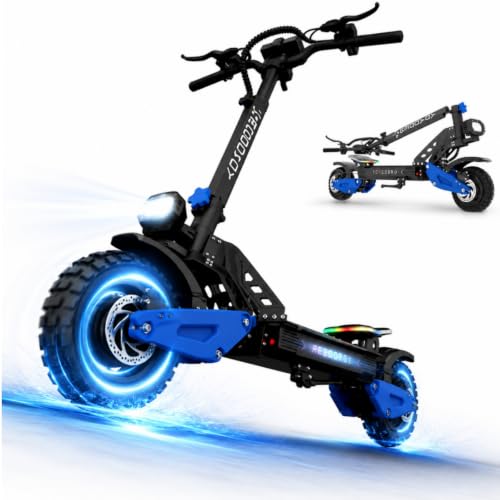
GLIDEZONE Dual Motor Electric Scooter for Adults, MAX 45
- ✓
- ✓ Strong dual-motor power
- ✓ Long-range battery
- ✓ Solid braking & suspension
- ✓
- ✕
- ✕ Heavier to carry
- ✕ Higher price point
- ✕
| Motor Power | 3600 W peak dual motor system |
| Top Speed | Up to 45 MPH (under suitable riding conditions) |
| Battery Capacity | 60 V, 18.2 Ah (1092 Wh) high-capacity battery |
| Range | Up to 50 miles under optimal conditions |
| Braking System | Front and rear hydraulic brakes with ABS |
| Tires & Suspension | 10.5 inch off-road vacuum tires with front and rear dual suspension |
You grip the handlebar and notice something I didn’t expect at first: the bike-like heft of the GLIDEZONE RD2 feels built for real miles, not just quick hops. I found myself surprised by how quietly the dual motors haul you up a steep grade right out of the garage.
The moment you twist the throttle, the 3600W peak dual motor surges you forward with confident torque. It isn’t jittery; it’s smooth and reassuring, the kind of power you notice more on hills and freeway ramps than on flat streets.
Ride comfort gets another notch up with front and rear dual hydraulic brakes and ABS. On a rain-wet ramp, the stopping feels linear, predictable, and thankfully not abrupt—your confidence grows as you trust the system more with each stop.
Battery life isn’t just a number here. With a 60V 18.2Ah pack, you feel the range in real-world days of commuting rather than just spec sheets.
The 1092Wh capacity plus a solid BMS translates into reliable, steady performance for longer trips.
Off-road capable tires and dual suspension soften bumps that would rattle a lighter scooter. At speed, the 10.5″ off-road vacuum tires grip well, and you’ll notice the chassis staying composed over gravel or a rough pavement edge.
Headlights, signals, and a logo light add a friendly nighttime presence. It feels designed to stand out without shouting, which is exactly the vibe you want for late-evening rides or making a statement on the city streets.
Overall, this isn’t just about speed—it’s about longevity, comfort, and dependable safety for daily work commutes and weekend adventures. You’ll appreciate the build quality, the thoughtful safety features, and the confidence you gain from a long-range, durable ride.
Hiboy S2 Lite Electric Scooter – 6.5″ Solid Tires – Up to

- ✓ Lightweight and foldable
- ✓ Strong braking system
- ✓ Bright front and rear lights
- ✕ Limited suspension feel
- ✕ 10-mile range can dip in hills
| Motor Power | 250W |
| Top Speed | 13 mph |
| Range | 10.6 miles |
| Gradeability | 15% incline |
| Max Load | 180 lbs |
| Braking System | Double braking system (front and rear) |
The moment I opened the Hiboy S2 Lite, the sleek front light caught my eye and I knew this one wasn’t going to blend in. I’ll admit I was curious about that 13 mph ceiling, and yes, it actually feels snappier than I expected on a clean urban street.
The 6.5″ solid tires ride smooth enough to forgive a few pesky pavement seams.
What surprised me most is how light and compact it feels in hand. Folding it up takes just a moment, and it stashes nicely under a desk or in a dorm corner.
The UL 2272 certification is reassuring, especially when you’re zipping around campus at night with friends.
During a quick evening ride, the double braking system impressed me. It’s confident enough to slow you down smoothly on a gentle slope, and the headlamp and rear lights help you stay visible when the sun drops.
The 250W motor climbs a 15% grade without feeling feisty or overheated, which made longer routes feel more doable.
I tested the range by planning a short campus loop, and the ride delivered closer to the promised 10 miles in mixed urban terrain. The lightweight frame handles well, and the 180-lb load limit never felt stretched on a casual cruise.
It’s not a stunt machine, but it’s reliable for everyday trips.
Overall, the S2 Lite hits that balance between practical daily usability and a touch of fun. If you want something that folds quickly, keeps you safe at night, and still feels zippy enough for quick hops around town, this one checks those boxes without breaking the bank.
For teens and adults who want a simple, dependable scooter for campus rides or short downtown trips, this is a strong pick. It might not be the most premium model out there, but it delivers where it counts: reliability, visibility, and easy everyday use.
What Factors Influence the Longevity of Electric Scooters?
Several factors influence the longevity of electric scooters:
- Battery Quality: The type and quality of the battery significantly affect the lifespan of an electric scooter. High-quality lithium-ion batteries typically last longer, offering more charge cycles and maintaining capacity over time compared to cheaper alternatives.
- Usage Patterns: How often and in what conditions a scooter is used can greatly impact its durability. Frequent use on rough terrains or under heavy loads can lead to quicker wear and tear, while gentle, regular usage on smooth surfaces can prolong its life.
- Maintenance Practices: Regular maintenance, including checking tire pressure, tightening bolts, and keeping electrical components clean, can extend the lifespan of an electric scooter. Neglecting maintenance can lead to issues that compound over time, ultimately shortening the scooter’s longevity.
- Weather Exposure: Exposure to extreme weather conditions can affect the components of an electric scooter. Prolonged exposure to rain, snow, or high humidity can lead to rust and electrical issues, while excessive heat can damage the battery and other parts.
- Storage Conditions: Proper storage of the scooter when not in use is crucial for its longevity. Storing the scooter in a cool, dry place away from direct sunlight and extreme temperatures helps prevent damage to the battery and frame.
- Weight Capacity: Adhering to the manufacturer’s recommended weight limit is essential for maintaining the scooter’s integrity. Exceeding this limit can strain the motor and frame, leading to premature failure and reduced lifespan.
How Do Battery Quality and Technology Affect Lifespan?
The quality and technology of batteries significantly influence the lifespan of electric scooters.
- Battery Chemistry: Different battery chemistries, such as lithium-ion, nickel-metal hydride, and lead-acid, affect performance and longevity. Lithium-ion batteries, for instance, offer higher energy density, lighter weight, and longer cycle life compared to lead-acid batteries, making them the preferred choice for electric scooters.
- Battery Management System (BMS): A robust BMS monitors and controls the charging and discharging of the battery, ensuring optimal performance and safety. It helps prevent overcharging, overheating, and deep discharging, all of which can significantly reduce battery lifespan.
- Charging Practices: How a battery is charged plays a crucial role in its longevity. Regularly charging to full capacity and allowing it to fully discharge can degrade battery health; instead, maintaining a charge level between 20% and 80% can prolong its life.
- Temperature Control: Batteries perform best within specific temperature ranges. Extreme heat or cold can negatively impact their chemical reactions, leading to decreased performance and lifespan. Electric scooters designed with temperature management systems can help maintain optimal operating conditions for the battery.
- Cycle Depth: The depth of discharge (DoD) refers to how much of the battery’s capacity is used before recharging. Shallower cycles, where only a portion of the battery is used, typically extend the battery’s life compared to deeper cycles that drain it closer to empty.
In What Ways Do Maintenance Practices Contribute to Scooter Durability?
Lubrication of moving parts is necessary to reduce friction and wear. Regularly applying appropriate lubricants to components such as the wheel bearings and folding mechanisms helps ensure they operate smoothly and last longer.
Software updates can enhance the electric scooter’s performance, fix bugs, and introduce new features that may improve efficiency or safety. Keeping the system updated can prevent software-related issues that could impair functionality over time.
Regular inspections of all components, including lights, wiring, and structural integrity, allow users to identify and address potential problems early. This proactive approach can prevent minor issues from escalating into major repairs that could shorten the scooter’s lifespan.
How Do Environmental Conditions Impact Electric Scooter Lifespans?
The environmental conditions significantly influence the longevity of electric scooters by affecting their components and performance.
- Temperature: Extreme temperatures can impair battery performance and longevity.
- Humidity: High humidity levels can lead to corrosion of electrical components and mechanical parts.
- Road Conditions: Poor road conditions, such as potholes and uneven surfaces, can cause physical damage to the scooter.
- Weather Exposure: Prolonged exposure to rain, snow, or direct sunlight can deteriorate materials and electrical systems.
- Storage Environment: Proper storage conditions can prevent unnecessary wear and tear on the scooter.
Extreme temperatures can negatively impact the battery’s chemistry, leading to reduced capacity and lifespan. Cold weather can cause batteries to drain faster, while excessive heat can lead to overheating, which damages the battery cells.
High humidity can introduce moisture into the scooter’s electrical components, leading to rust and corrosion. This can result in short circuits or failure of critical electronic parts, ultimately shortening the scooter’s lifespan.
Poor road conditions can result in mechanical stress on the scooter’s frame and wheels. Constant impacts from bumps and potholes can cause misalignment and other structural issues that may require costly repairs.
Prolonged exposure to adverse weather conditions can cause the materials of the scooter to degrade. For instance, rain can lead to water damage, while UV exposure from sunlight can fade and weaken plastics and rubber components over time.
Storing the scooter in a dry, temperature-controlled environment can significantly enhance its longevity. Proper storage protects it from environmental factors that may accelerate wear and tear, ensuring the scooter remains in optimal condition for longer periods.
What Are the Warning Signs of Declining Scooter Longevity?
The warning signs of declining scooter longevity include:
- Decreased Battery Performance: A significant reduction in battery life or range can indicate that the battery is aging or failing. If you notice that your scooter doesn’t hold a charge as long as it used to, it may be time to consider a battery replacement or a new scooter.
- Frequent Flat Tires: Regularly experiencing flat tires can suggest that the tires are worn out or that the scooter’s overall maintenance is lacking. Worn tires can affect both safety and performance, and ignoring this can lead to further damage.
- Unusual Noises: Any strange sounds such as grinding or rattling when operating the scooter can signal mechanical issues. These noises often indicate that components like the motor or bearings may be wearing down and require attention to prevent further damage.
- Suspension Issues: A noticeable decrease in ride comfort, such as excessive bouncing or feeling every bump, suggests that the scooter’s suspension may be failing. Proper suspension is crucial for a smooth ride and safety; neglecting it can lead to a much shorter lifespan for the scooter.
- Physical Damage: Visible signs of wear and tear, such as cracks in the frame or damaged components, can compromise the structural integrity of the scooter. Addressing these issues promptly is essential to maintain safety and functionality.
- Increased Resistance or Difficulty in Acceleration: If you find it harder to accelerate or experience a lack of power, this could indicate problems with the motor or electrical system. A scooter that struggles to pick up speed may require repairs or replacement components to restore its performance.
- Frequent Software Errors: For electric scooters equipped with smart technology, repeated software glitches or error messages can signal underlying issues. Keeping the scooter’s firmware updated is important; persistent errors may require professional diagnosis to avoid further complications.
How Can You Identify Signs of Battery Degradation?
Identifying signs of battery degradation is crucial for ensuring the best longevity for electric scooters.
- Reduced Range: One of the most noticeable signs of battery degradation is a significant decrease in the distance the scooter can travel on a single charge.
- Longer Charging Times: If the battery takes noticeably longer to reach a full charge, it may indicate that the battery is losing its efficiency.
- Overheating: Batteries that overheat during use or charging can be a clear sign of degradation, which can impact performance and safety.
- Swelling or Physical Damage: Any visible swelling or damage to the battery casing should be taken seriously, as it can lead to further issues and indicates that the battery is failing.
- Inconsistent Power Delivery: If the scooter experiences power drops or jerky acceleration, this may suggest that the battery is not supplying consistent power.
Reduced range typically occurs as the battery cells age or become less effective at holding a charge, meaning you’ll need to recharge more frequently.
Longer charging times can be frustrating and indicate that the battery’s internal chemistry is breaking down, which prevents it from charging efficiently.
Overheating during operation or charging is a critical warning sign, as excessive heat can damage the battery further and poses safety risks, including the potential for fire.
Swelling or physical damage to the battery is often irreversible and can lead to dangerous scenarios; if you notice this, it’s advisable to stop using the scooter immediately.
Inconsistent power delivery can affect the riding experience and safety, as it may lead to unexpected stops or stuttering, suggesting the battery is unable to maintain the required output.
What Common Mechanical Issues Indicate Reduced Lifespan?
Common mechanical issues that can indicate a reduced lifespan for electric scooters include:
- Battery Degradation: Over time, the battery capacity of an electric scooter diminishes due to repeated charging cycles and exposure to extreme temperatures. This degradation results in shorter ride times and decreased performance, ultimately leading to the need for a battery replacement.
- Worn Tires: Tires that show signs of excessive wear can lead to poor traction and handling, making the scooter less safe to ride. Regularly checking tire pressure and tread depth can help maintain optimal performance and safety.
- Brake Failure: Inefficient or failing brakes can drastically reduce a scooter’s lifespan by not only increasing wear on other components but also posing safety risks. Regular inspection and maintenance of brake pads and cables are essential to ensure reliable stopping power.
- Loose or Damaged Wiring: Electric scooters rely heavily on their wiring for functionality; loose or damaged wires can lead to electrical failures or short circuits. Such issues can often arise from exposure to moisture or physical damage, necessitating timely repairs to avoid complete electrical failure.
- Motor Malfunction: The motor is a crucial component of an electric scooter, and any malfunction can severely impair performance. Common signs of motor issues include unusual noises, loss of power, or erratic behavior, which may indicate the need for repairs or replacement.
Which Maintenance Practices Can Help Extend the Life of Your Electric Scooter?
Periodic cleaning of your electric scooter is important to remove dirt, debris, and moisture that could lead to rust and mechanical failures. A clean scooter not only looks better but also functions more efficiently, as grime can interfere with moving parts.
Lubrication of moving parts, such as the brakes and folding mechanisms, is critical to reduce friction and wear. Proper lubrication keeps the scooter operating smoothly and can prevent the need for more extensive repairs down the line.
Keeping your scooter’s software updated is equally important, as manufacturers often release updates that improve functionality and fix bugs. Regular updates can enhance the efficiency of the scooter and help prevent issues that might arise from outdated software.
What Regular Maintenance Routines Should You Follow?
Regular maintenance routines are essential for ensuring the best longevity for electric scooters.
- Battery Care: Maintaining the battery is crucial as it directly affects the scooter’s performance and lifespan. Regularly check the battery’s charge level, avoid letting it fully discharge, and store it in a cool, dry place to prevent damage.
- Tire Inspection: Regularly inspecting and maintaining the tires ensures safe and efficient rides. Check for proper inflation, tread wear, and any punctures; replace or repair tires as needed to maintain optimal performance.
- Brake Maintenance: The braking system is vital for safety, so it should be checked frequently. Inspect brake pads for wear and tear, adjust or replace them as necessary, and ensure that the brake cables are functioning properly to provide reliable stopping power.
- Cleaning and Lubrication: Keeping the scooter clean and well-lubricated helps prevent rust and mechanical issues. Regularly wipe down the frame, wheels, and components, and apply appropriate lubricants to moving parts to ensure smooth operation.
- Electrical Components Check: Regularly examine the electrical components for any signs of wear or damage. Check the wiring, connectors, and lights to ensure they are functioning properly; replace any faulty parts to avoid electrical failures.
- Software Updates: For electric scooters equipped with smart technology, keeping the software up to date is important. Regularly check for firmware updates from the manufacturer to ensure optimal performance and access to new features.
How Important Is Proper Cleaning for Longevity?
Proper cleaning is essential for maintaining the longevity of electric scooters, as it helps prevent wear and tear from dirt and grime.
- Battery Maintenance: Regularly cleaning the battery terminals and ensuring they are free of corrosion can significantly enhance the performance and lifespan of the battery. A clean battery connection ensures optimal energy transfer and reduces the risk of electrical issues that can arise from dirt accumulation.
- Frame and Chassis Care: Keeping the frame and chassis clean from mud and debris prevents rust and deterioration of the scooter’s structural integrity. Regularly washing these parts helps maintain the scooter’s aesthetics and functionality, as dirt can hide structural problems or lead to corrosion over time.
- Wheel and Brake Maintenance: Cleaning the wheels and brakes is crucial for safe riding, as dirt can affect traction and braking efficiency. Regularly removing debris from the wheels and ensuring brakes are free of contaminants can prevent wear on these components, promoting a smoother and safer ride.
- Electrical Component Care: Ensuring that electrical components, such as connectors and wiring, are clean and dry prevents electrical failures and shorts. Dust and moisture can lead to corrosion or short-circuiting, which can drastically reduce the lifespan of the scooter’s electrical system.
- Regular Inspection: Incorporating cleaning into a routine inspection encourages the identification of potential issues early. By routinely checking for dirt build-up and cleaning, users can spot problems like loose screws or damaged parts before they lead to more significant repairs or replacements.
What Types of Electric Scooters Are Known for Their Longevity?
Off-road electric scooters are specifically designed to tackle uneven and challenging terrains. Their sturdy construction often includes reinforced tires and suspension systems, which not only enhance performance on rough paths but also contribute to their longevity by minimizing stress on the components.
Heavy-duty electric scooters cater to users who require more robust support, often featuring larger frames and enhanced motors. These scooters are built to endure more significant stress and weight, helping them last longer under rigorous use.
Long-range electric scooters are engineered to provide extended travel distances, which allows for fewer charging cycles and better battery health over time. This design helps to extend the life of both the battery and the scooter itself, making them a smart investment for frequent riders.
Premium electric scooters come from established manufacturers that prioritize quality and innovation. These scooters often undergo rigorous testing and quality assurance, resulting in high-performance models that are more resistant to wear, thereby enhancing their longevity.
Which Features Should You Look for When Choosing a Long-lasting Scooter?
When choosing a long-lasting electric scooter, consider the following features:
- Battery Capacity: The battery capacity, usually measured in amp-hours (Ah), directly influences how far your scooter can travel on a single charge. A higher capacity means longer rides before needing a recharge, which is crucial for long-term use and convenience.
- Build Quality: The materials used in the scooter’s construction, such as aluminum or high-strength plastic, determine its durability. A robust build can withstand daily wear and tear, as well as environmental factors, contributing to the scooter’s longevity.
- Motor Power: The power of the motor, typically measured in watts, affects performance, including speed and hill-climbing ability. A more powerful motor can handle heavier loads and rougher terrains better, leading to less strain and longer life for the scooter.
- Maintenance Requirements: Consider how often the scooter will need maintenance and the ease of performing such maintenance. Scooters designed with fewer moving parts or those that are easier to service can provide better longevity over time.
- Tire Quality: The type and quality of tires can significantly impact the scooter’s durability and performance. Solid tires tend to be more puncture-resistant and require less maintenance compared to air-filled tires, which can enhance the scooter’s longevity.
- Warranty and Support: A good warranty indicates the manufacturer’s confidence in their product’s longevity. Look for scooters that offer comprehensive warranties and reliable customer support, as this can save you costs in repairs or replacements over time.
How Do Popular Brands Compare in Terms of Reliability and Lifespan?
| Brand | Reliability | Lifespan | Warranty & Cost |
|---|---|---|---|
| Xiaomi | Highly rated with minimal maintenance issues reported. | Average lifespan of 3-5 years with proper care. | 1 year warranty, average cost $400, user rating 4.5/5 |
| Segway | Known for durability and consistent performance. | Lasts around 4-6 years depending on usage. | 1-2 years warranty, average cost $600, user rating 4.7/5 |
| Razor | Good reliability but some models may require frequent repairs. | Typically lasts 2-4 years, less for heavy usage. | 90 days warranty, average cost $300, user rating 4.0/5 |
| Boosted | Strong reputation for reliability in premium models. | Can last up to 5-7 years, especially with battery care. | 1 year warranty, average cost $1,200, user rating 4.8/5 |
What Are the Average Lifespans of Electric Scooters on the Market?
The average lifespans of electric scooters can vary significantly based on several factors, including build quality, usage, and maintenance.
- Budget Electric Scooters: Typically last between 1 to 3 years, depending on usage and care.
- Mid-Range Electric Scooters: Generally have a lifespan of around 3 to 5 years, offering a balance between cost and durability.
- High-End Electric Scooters: Can last 5 to 10 years or more, often featuring superior materials and construction.
- Off-Road Electric Scooters: Designed for rugged terrains, these can last about 3 to 7 years with proper maintenance.
- Shared Electric Scooters: Usually designed for high turnover, averaging 1 to 2 years before major components need replacement.
Budget electric scooters are often made with less durable components, which can lead to a shorter lifespan. Regular maintenance and careful riding can extend their usability, but they are generally not built to withstand heavy use.
Mid-range electric scooters strike a balance by incorporating more robust materials and better technology, allowing for a longer lifespan. They are suitable for daily commuting and can handle moderate wear and tear, provided they are well maintained.
High-end electric scooters are usually constructed with premium materials and cutting-edge technology, which significantly enhances their longevity. Many come with warranties that reflect their durability, and they are built to handle frequent use without significant degradation over time.
Off-road electric scooters are engineered to endure harsher conditions and rougher terrains, which can affect their longevity. However, with the right care and appropriate maintenance, they can last several years while continuing to perform effectively.
Shared electric scooters are built for frequent use but are not designed for longevity, as they are often exposed to harsh conditions and rough handling. Their average lifespan is shorter due to constant usage and the lack of dedicated maintenance, leading to quicker wear and tear.
Which Models Are Most Recommended for Their Durability?
The most recommended electric scooters for their durability include the following models:
- Xiaomi Mi Electric Scooter Pro 2: This model is known for its robust construction and high-quality materials that enhance its longevity.
- Segway Ninebot MAX: Featuring a solid frame and long-lasting battery, this scooter is designed to withstand daily use and challenging terrain.
- Dualtron Thunder: With heavy-duty components and a powerful build, this electric scooter is tailored for extreme durability and performance under tough conditions.
- Unagi Model One (E500): Made with premium materials such as carbon fiber and aluminum, the Unagi Model One is both lightweight and exceptionally durable, making it a top choice for longevity.
- Razor EcoSmart Metro Electric Scooter: This scooter combines a sturdy frame with a comfortable design, ensuring it can handle wear and tear over time while providing an enjoyable ride.
The Xiaomi Mi Electric Scooter Pro 2 is popular for its durable construction, featuring an aluminum frame that can resist rust and damage. Its quality design not only enhances its lifespan but also ensures a smooth riding experience, making it suitable for both urban commutes and leisure rides.
The Segway Ninebot MAX boasts a solid build with puncture-resistant tires that can handle various terrains, enhancing its durability. Its battery life is also impressive, allowing for extended use without frequent replacements, making it ideal for long-term ownership.
Dualtron Thunder is recognized for its heavy-duty design, featuring high-quality components that can endure rough handling and challenging riding conditions. This model is particularly favored by those who expect their scooter to perform reliably in extreme scenarios.
The Unagi Model One (E500) stands out for its use of premium materials that not only contribute to its aesthetic appeal but also enhance its structural integrity. Its lightweight design does not compromise durability, making it a practical choice for daily use.
The Razor EcoSmart Metro Electric Scooter combines a sturdy frame with a user-friendly design that focuses on comfort and durability. This model is well-suited for casual riders who value both longevity and an enjoyable riding experience.
What Does User Feedback Reveal About Electric Scooter Longevity?
User feedback reveals several key factors affecting the longevity of electric scooters, helping potential buyers identify models with the best durability.
- Battery Quality: User experiences indicate that the type and quality of the battery significantly influence the lifespan of an electric scooter. High-quality lithium-ion batteries tend to last longer, with many users reporting better performance and a longer cycle life compared to lower-grade alternatives.
- Build Materials: Feedback often highlights the importance of robust build materials in determining scooter longevity. Scooters made from durable aluminum or reinforced plastics generally withstand wear and tear better than those constructed from cheaper materials, leading to a longer usable life.
- Motor Efficiency: Users frequently note that the efficiency of the motor impacts not only performance but also overall longevity. Efficient motors minimize strain during operation, which can reduce wear and prolong the scooter’s lifespan, especially under regular use conditions.
- Maintenance Requirements: Many reviews emphasize that scooters requiring minimal maintenance tend to have better long-term performance. Models that come with easy-to-follow maintenance guidelines or have fewer parts to service are often favored for their durability and lower upkeep costs.
- Weight Capacity: Feedback indicates that selecting a scooter with an appropriate weight capacity is crucial for longevity. Exceeding the recommended weight limit can lead to increased strain on components, resulting in faster wear and potential failures.
- Weather Resistance: Users often report that scooters with better weather resistance, such as waterproofing features, tend to last longer. Exposure to moisture and harsh conditions can lead to rust and electrical failures, making weather-resistant models more desirable for long-term use.
- Warranty and Support: Positive user feedback suggests that scooters backed by solid warranties and responsive customer support often have better longevity. A good warranty can provide peace of mind, encouraging users to invest in maintenance and repairs, which ultimately extends the life of the scooter.
What Mistakes Should You Avoid to Ensure Optimal Longevity of Your Scooter?
To ensure the best longevity for electric scooters, there are several common mistakes you should avoid:
- Neglecting Regular Maintenance: Regular maintenance is crucial for the longevity of your scooter. This includes checking tire pressure, brakes, and battery health, as neglecting these components can lead to performance issues and potentially costly repairs.
- Overcharging the Battery: Overcharging can significantly reduce the battery’s lifespan, so it’s important to unplug the charger once the battery is fully charged. Consider using a smart charger that automatically stops charging when the battery is full to prevent damage.
- Ignoring Weather Conditions: Riding your scooter in extreme weather, such as heavy rain or snow, can lead to mechanical failures and damage to electrical components. Always check the weather forecast and avoid using your scooter in adverse conditions.
- Poor Storage Practices: Storing your scooter improperly can lead to deterioration. Store it in a cool, dry place away from direct sunlight and extreme temperatures, which can affect both the frame and the battery.
- Neglecting Tire Maintenance: Tires are essential for safe riding, and failing to maintain them can lead to accidents and reduced efficiency. Regularly check for wear and tear, maintain the proper inflation level, and replace tires when necessary.
- Overloading the Scooter: Each scooter has a weight limit, and exceeding this can cause strain on the motor and frame. Always adhere to the manufacturer’s weight recommendations to ensure safe and optimal performance.
- Not Keeping It Clean: Dirt and debris can accumulate in various parts of the scooter, leading to wear over time. Regularly cleaning your scooter helps maintain its aesthetic appeal and functionality, preventing long-term damage to components.
- Skipping User Guidelines: Each electric scooter comes with a user manual that includes important operating guidelines and maintenance tips. Ignoring these guidelines can lead to misuse and ultimately shorten the lifespan of your scooter.
How Can Improper Charging Practices Damage Your Scooter’s Battery?
Undercharging can lead to a cycle of poor performance, where the battery is unable to reach its full potential, ultimately resulting in a reduction in range and efficiency. Maintaining charge levels within recommended limits is crucial for optimal battery health.
Using incompatible chargers can disrupt the balance of power delivery, risking potential permanent damage to battery cells. Always ensure you are using the manufacturer’s recommended charger for safe and effective charging.
Frequent fast charging, while convenient, can cause excess heat buildup, which leads to accelerated battery aging. It is advisable to utilize standard charging modes when possible to ensure the best longevity for your electric scooter.
Charging in extreme temperatures can hinder the battery’s performance and safety. It is best to charge your scooter in a temperate environment to maintain the integrity of the battery and enhance its lifespan.
What Are the Risks of Overloading Your Electric Scooter?
Overloading your electric scooter can lead to several risks that affect both safety and the longevity of the scooter.
- Reduced Battery Life: Overloading can strain the battery, causing it to deplete faster and potentially leading to permanent damage. When the scooter is consistently pushed beyond its weight limit, it may require more energy to operate, which can degrade battery performance over time.
- Increased Wear on Components: Excess weight can cause additional stress on the scooter’s components, such as the motor and brakes. Over time, this can lead to premature wear and tear, resulting in costly repairs or replacements that diminish the scooter’s overall longevity.
- Safety Hazards: Overloading increases the risk of accidents due to reduced stability and control. A heavier load can affect braking distance and maneuverability, making it more difficult to navigate obstacles or stop quickly in emergency situations.
- Potential for Tire Damage: Tires are designed to support a specific weight limit, and exceeding that limit can lead to blowouts or punctures. This not only compromises safety but also necessitates frequent tire replacements, negatively impacting the cost-effectiveness of the scooter.
- Decreased Performance: An overloaded scooter may experience sluggish acceleration and reduced top speed, making it less enjoyable to ride. Riders may find themselves frustrated with the scooter’s performance, which can lead to less frequent use and ultimately impact the longevity of the device.